What You'll Discover in This Guide
Let's cut to the chase: cleaning indoor plant leaves isn't just about aesthetics. Dusty leaves block sunlight, reduce photosynthesis, and invite pests. I've seen plants thrive after a simple wipe-down, while others suffer from neglect. In this guide, I'll walk you through practical, safe methods based on my years of trial and error with everything from succulents to large-leaf monsters.
Why Clean Leaves Matter More Than You Think
Think of plant leaves as solar panels. When dust accumulates, it's like putting a blanket over them—they can't absorb light efficiently. This weakens the plant over time. Plus, dust harbors pests like spider mites. I learned this the hard way when my calathea started yellowing; a quick clean revived it within weeks.
Beyond health, clean leaves simply look better. They reflect light, making your space feel brighter. But don't overdo it. Cleaning too often can stress plants, especially delicate ones.
Gathering Your Cleaning Arsenal: What You Really Need
You don't need fancy products. Here's my go-to list, gathered from years of plant parenting:
- Soft cloths or sponges: Microfiber works best—it's gentle and absorbent. Avoid paper towels; they can leave lint.
- Spray bottle: For misting water. I use one with a fine mist setting.
- Lukewarm water: Always use room-temperature water. Cold water can shock leaves.
- Mild dish soap: Only for tough grime, and just a drop diluted in water.
- Soft brushes: Like makeup brushes for fuzzy leaves. I keep a separate brush for each plant type to prevent cross-contamination.
Skip commercial leaf shine products. Many contain oils that clog leaf pores. I tried one on my rubber plant, and it left a sticky residue that attracted dust faster.
The Step-by-Step Cleaning Process: From Dust to Shine
Different plants need different approaches. Here's a breakdown of the most effective methods.
Method 1: The Gentle Wipe-Down for Most Plants
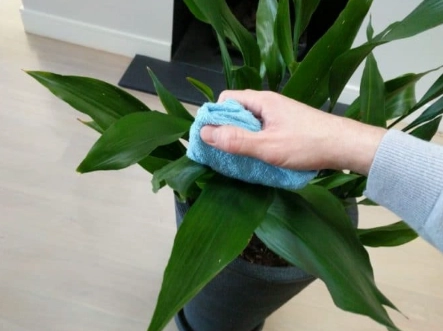
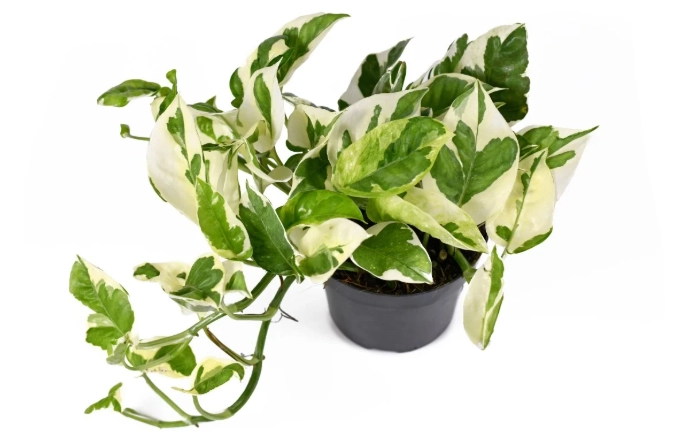
This is my default for plants like philodendrons or pothos. Dampen a cloth with lukewarm water—wring it out so it's not dripping. Gently wipe each leaf from base to tip, supporting the leaf with your other hand. Do both sides. For stubborn spots, add a drop of mild soap, but rinse with a clean damp cloth afterward.
I spend about 10 minutes per medium-sized plant. Rushing can tear leaves.
Method 2: The Shower Technique for Larger Plants
For big plants like fiddle leaf figs or monsteras, use the shower. Place the pot in the bathtub, tuck a plastic bag over the soil to prevent waterlogging, and run lukewarm water on a gentle setting. Let it rinse for 2-3 minutes. Afterward, shake off excess water and let it dry in indirect light.
I do this every few months for my monstera. It mimics rain and cleans hard-to-reach leaves.
Method 3: The Spray and Wipe for Delicate Leaves
Plants with delicate or small leaves, like ferns, benefit from misting. Spray lightly with water, then use a soft cloth to dab away moisture. Avoid soaking—excess water can cause fungal issues.
Here's a quick comparison based on plant type:
- Large, smooth leaves: Wipe-down or shower method.
- Fuzzy leaves (e.g., African violets): Dry brushing only.
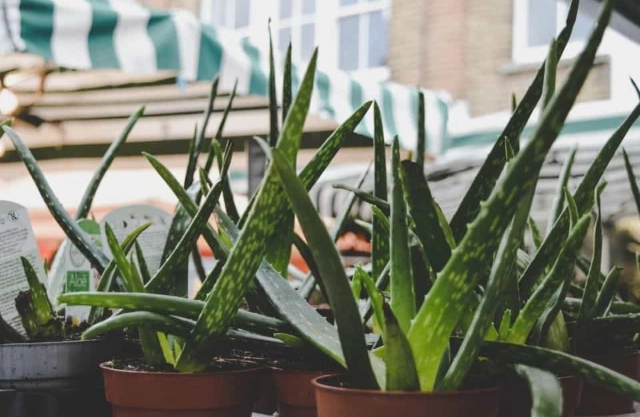
- Succulents and cacti: Use a dry brush or compressed air—water can cause rot in crevices.
Pro tip: Always clean in the morning so leaves dry by evening. Damp leaves at night increase rot risk. I learned this after leaving my snake plant wet overnight; it developed spots.
Plant-Specific Advice: Tailoring Your Approach
Not all plants are created equal. Let's dive into specifics.
For plants with large leaves (like Monsteras or Fiddle Leaf Figs): Use the shower method or wipe gently with a cloth. Support the leaf from underneath to avoid tears. I once tore a leaf by being too rough—patience is key.
For fuzzy-leaved plants (e.g., African violets, begonias): Never use water directly. A soft brush works best. I use a clean makeup brush and gently dust the leaves every few weeks.
For succulents and cacti: Avoid water if possible. Use a soft brush or compressed air to remove dust. Over-wetting can lead to rot, especially in tight spaces.
For plants with small leaves (like ferns or pileas): Mist lightly and wipe with a soft cloth, or use a spray bottle to rinse gently, then pat dry. Too much water can weigh down delicate foliage.
Common Pitfalls and How to Dodge Them
Many guides miss these subtle errors. Here's what I've learned from years of plant care:
- Over-cleaning: Cleaning too often can strip natural oils from leaves, making them prone to damage. Stick to every 2-4 weeks unless your home is very dusty.
- Using harsh chemicals: Avoid vinegar, lemon juice, or commercial cleaners—they can burn leaves or disrupt pH balance. I ruined a few leaves with vinegar before switching to plain water.
- Ignoring the underside: Pests and dust love the underside of leaves. Always clean both sides to prevent infestations.
- Using cold water: Room-temperature water is best. Cold water can shock plants, leading to leaf drop.
- Not drying properly: Leaves left wet in low-light conditions can develop fungal spots. Wipe dry or let them air out in indirect sunlight.
A personal story: I once used a feather duster on my rubber plant, thinking it was gentle. It scratched the leaves and left them prone to disease. Now, I stick to soft cloths or brushes.
Frequently Asked Questions (FAQs)
Cleaning indoor plant leaves is a simple yet crucial part of plant care. With these methods, you can keep your foliage healthy and vibrant. Start with one plant, see the difference, and expand from there. Happy cleaning!


Comments