Large Indoor Plant in Pot: The Complete Guide to Effortless Greenery & Styling
Getting started
Let's be honest. You've seen those stunning pictures of living rooms with a gorgeous, towering large indoor plant in a pot and thought, "I want that." It looks peaceful, it looks stylish, it looks... easy. Then you go to the garden center, get overwhelmed by choices, bring something home, and a few months later you're left with a sad, crispy reminder of your ambitions. I've been there. More times than I'd like to admit.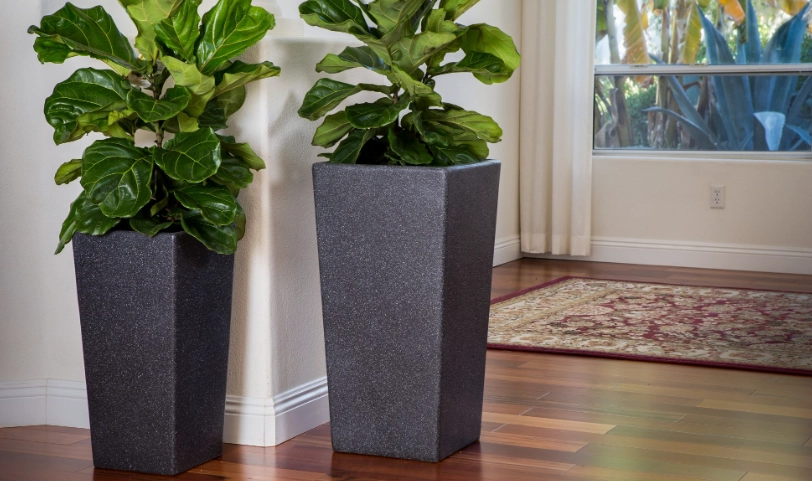
That's why I'm writing this. Not as a botanical expert giving a lecture, but as someone who's killed a few plants (RIP, my first fiddle leaf fig) and learned, slowly and sometimes painfully, how to keep them thriving. A big, beautiful large indoor plant in a pot shouldn't be a source of anxiety. It should be the easiest, most rewarding piece of decor you own.
So, where do you start? Do you just pick the prettiest one? How big of a pot do you need? What about light, water, all that stuff? We're going to break it all down, step by step, without the confusing jargon.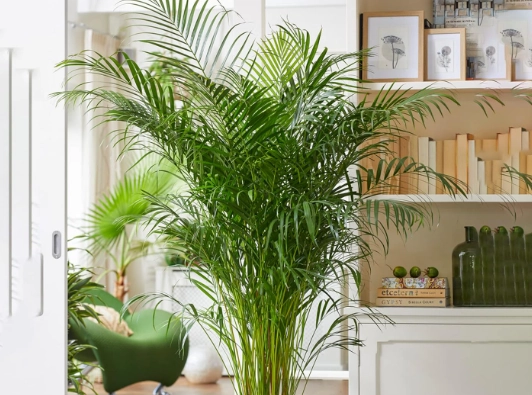
Quick Navigation
- First Things First: Picking *Your* Perfect Large Indoor Plant
- The Pot Matters More Than You Think (It's Not Just Decor)
- The Real Secret: It's All About the Routine (Care Simplified)
- Styling & Placement: Making It Look Intentional
- Troubleshooting: What's Wrong With My Plant?
- Your Large Indoor Plant Questions, Answered (FAQ)
- Final Thoughts: Start Simple, Enjoy the Process
First Things First: Picking *Your* Perfect Large Indoor Plant
This is the fun part, but it's also the most important. Choosing the right plant is 80% of the battle. Get this wrong, and no amount of care will save it. You need to match the plant to your space and your lifestyle. Be brutally honest with yourself.
How much light does your room really get? Stand there on a sunny afternoon. Is it blazing sun, gentle brightness, or more of a gloomy vibe? Your plant doesn't care about your interior design dreams—it cares about photons.
The Go-To Champions: Top Large Indoor Plants for Different Situations
Let's cut through the noise. Here are my top picks, categorized by what they're best at. Think of this as your cheat sheet.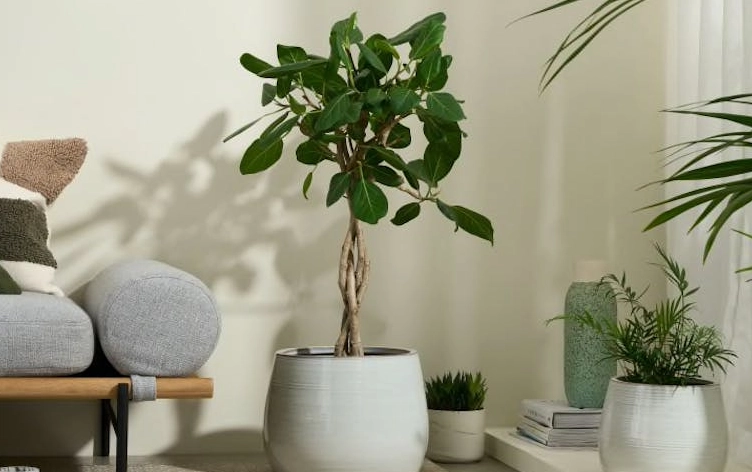
| Plant Name | Best For | Light Needs | Key Personality Trait | Watch Out For |
|---|---|---|---|---|
| Snake Plant (Sansevieria) | Total beginners, forgetful waterers, low light | Low to Bright Indirect | The Unkillable Survivor | Overwatering is its only enemy. Seriously, neglect it. |
| Monstera Deliciosa | Making a bold statement, humid spaces | Medium to Bright Indirect | The Dramatic Show-Off | Wants humidity, develops splits in good light. |
| Fiddle Leaf Fig (Ficus lyrata) | Bright, sunny spots (if you're committed) | Very Bright, Indirect | The High-Maintenance Supermodel | Hates change, drops leaves if moved or unhappy. |
| ZZ Plant (Zamioculcas) | Dark corners, offices, absolute neglect | Very Low to Low | The Unfazed Zen Master | Grows slowly. Toxic to pets if ingested. |
| Rubber Plant (Ficus elastica) | A forgiving alternative to the Fiddle Leaf | Medium to Bright Indirect | The Tough & Glossy Workhorse | Sappy stems when pruned. Wipe leaves for shine. |
| Birds of Paradise (Strelitzia) | Sunny rooms where you want a tropical vibe | Direct to Bright Indirect | The Sun-Loving Tropical Giant | Needs space, can get huge. Loves sun. |
See? It's not just about names. It's about personality and fit. That large potted indoor plant is going to live with you for years. Pick a good roommate.
My personal favorite for most people? The Rubber Plant. It gives you that big, glossy leaf look without the diva temperament of the Fiddle Leaf Fig. It handles missed waterings better and adapts to light okay. It's the plant I recommend when friends ask for a "big one that won't die."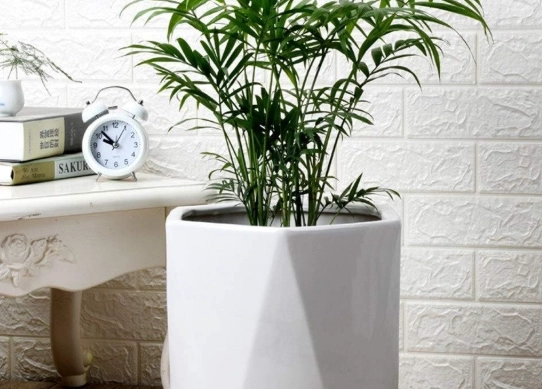
The Pot Matters More Than You Think (It's Not Just Decor)
Here's a huge mistake I see all the time. People spend $100 on a beautiful plant and then stick it in the cheap, ugly plastic nursery pot it came in, and drop that into a decorative pot with no drainage. This is a recipe for root rot and a dead plant.
The pot is your plant's house. Its foundation. You need to think about size, material, and most importantly, drainage.
Pot Size: The Goldilocks Rule
When you're repotting your new large indoor plant in pot, go up only 1-2 inches in diameter from its current pot. A pot that's too large holds too much wet soil for the roots to absorb, leading to soggy conditions and rot. Too small, and it gets rootbound and stunted. You want it just right.
Material Pros and Cons: A Quick Rundown
- Terra Cotta (Clay): My top choice for beginners. It's porous, so it "breathes," allowing soil to dry out more evenly and preventing overwatering. The downside? It's heavy, and it can dry out too fast in very hot, dry climates. You'll water more often.
- Ceramic/Glazed Pot: Beautiful, heavy, and stable. Great for top-heavy plants. The glaze seals it, so it retains moisture longer. This is crucial: It must have a drainage hole. If your dream pot doesn't have one, use it as a "cachepot"—keep the plant in its plastic nursery pot (which has holes) and place it inside the decorative one. Empty any accumulated water from the outer pot after watering.
- Plastic: Lightweight, cheap, retains moisture. Fine for humidity-loving plants, but you have to be extra careful not to overwater. Often what the plant comes in from the nursery.
- Fiberglass/Resin: Lightweight like plastic but can be made to look like heavier materials. Good for very large plants where weight is a concern.
What do I use? For most of my collection, I use simple terra cotta pots inside slightly larger, prettier basket-weave or neutral ceramic cachepots. It gives me the breathability I want and lets me switch up the look easily.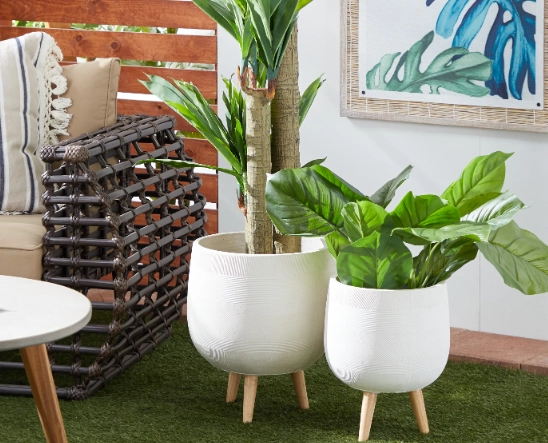
The Real Secret: It's All About the Routine (Care Simplified)
Okay, you've got your plant and its perfect pot. Now what? Care instructions online can be vague. "Water when dry." What does that even mean?
Let's get specific. Caring for a large potted indoor plant boils down to three core things: light, water, and food. Get these right, and you're golden.
Light: The Non-Negotiable Fuel
Plants eat light. No light, no food. It's that simple. The tag that says "low light" usually means "low light tolerant," not "prefers a dark closet."
- Bright Indirect Light: This is the sweet spot for most tropicals (Monstera, Fiddle Leaf, Rubber Plant). This means near a bright window, but the sun's rays never directly hit the leaves. A sheer curtain is perfect.
- Direct Sun: Sunbeams directly on the leaves for several hours. Only for true sun-lovers like Birds of Paradise, Ficus Audrey, or some palms. Most common houseplants will scorch here.
- Low Light: Several feet away from a north-facing window or in the middle of a bright room. Think Snake Plant, ZZ Plant, Pothos. They'll survive, but growth will be very slow.
Stretching stems, small new leaves, or loss of variegation (color patterns) are all cries for more light.
Watering: The Number One Killer (Usually by Love)
Overwatering drowns the roots. They need air as much as they need water. Here's my foolproof method:
- Check the soil. Don't just look at the top. Stick your finger at least 2 inches down into the soil, near the edge of the pot. For a truly large indoor plant in a large pot, you might need to go 3-4 inches down.
- If it feels dry at that depth, it's time. If it feels damp or cool, wait. Get a moisture meter if you don't trust your finger—they're cheap and take the guesswork out.
- Water thoroughly. Take the plant to a sink, bathtub, or shower. Pour water evenly over the soil until it runs freely out of the drainage hole. Let it drain completely. This ensures the entire root ball gets wet.
- Never let it sit in water. Empty the saucer or cachepot after 15-20 minutes. No exceptions.
How often? There is no schedule. It depends on the plant, pot size, material, light, temperature, and season. In winter, you might water half as often. In a hot, sunny summer, it might be weekly. Your finger is the best schedule.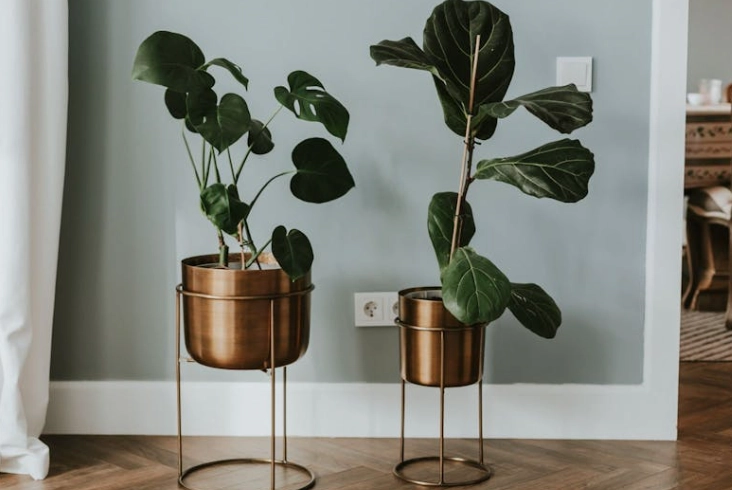
Soil & Fertilizer: The Support System
Don't use dirt from your yard. Use a high-quality, well-draining potting mix designed for indoor plants. Many mixes contain perlite (those little white bits) or orchid bark to create air pockets. For plants like Monsteras that hate soggy feet, you can add extra perlite.
Fertilizer is plant food. During the main growing season (spring and summer), feed your large indoor plant in pot every 4-6 weeks with a balanced, water-soluble fertilizer (look for an equal ratio like 10-10-10). Dilute it to half the strength recommended on the bottle. Less is more. In fall and winter, stop fertilizing—the plant is resting.
Styling & Placement: Making It Look Intentional
A great large potted indoor plant can anchor a room. It's a living sculpture. Here's how to style it.
Scale is everything. In a large, empty corner, go big. A tall Fiddle Leaf or a wide Monstera. In a smaller nook, a medium-sized Snake Plant or a Rubber Plant on a stand.
Use plant stands. They lift the plant up, giving it importance and allowing light to hit it from more angles. They also protect your floors from water. A simple wooden or metal stand can transform the look.
Group plants. Create a vignette. Place your large statement plant as the anchor, and surround its base with 2-3 smaller, complementary plants in smaller pots. This creates a lush, mini-jungle effect and can actually increase humidity slightly for the group.
Don't be afraid to move things around. If a plant isn't thriving in one spot, try another. It's not failure; it's experimentation.
Troubleshooting: What's Wrong With My Plant?
Leaves talk. You just have to learn their language.
- Yellowing leaves, especially lower ones: Most often overwatering. Check your soil moisture routine. Could also be a natural shedding of old leaves if it's just one or two.
- Brown, crispy leaf tips/edges: Usually low humidity or underwatering. Tropical plants often suffer from dry indoor air. Try misting (controversial—it only raises humidity for minutes), grouping plants, or using a small humidifier nearby.
- Brown, soft, mushy spots: Likely overwatering leading to rot.
- Dropping leaves suddenly: Often a shock from change—new location, draft, temperature swing. Fiddle Leaf Figs are infamous for this. Give it stable conditions and time.
- Leggy growth, stretching toward light: Not enough light. Move it closer to a window.
When in doubt, check the roots. Gently tip the plant out of its pot. Healthy roots are firm and white or light tan. Rotten roots are mushy, dark brown/black, and might smell bad. If you find rot, cut away all the affected roots with clean shears, repot in fresh, dry soil, and water very sparingly until you see new growth.
Your Large Indoor Plant Questions, Answered (FAQ)
Final Thoughts: Start Simple, Enjoy the Process
Don't try to become a master gardener overnight. Start with one easy, large indoor plant in a pot that matches your conditions. A Snake Plant or a ZZ Plant if your light is low. A Rubber Plant if you have a decently bright spot. Master its care. Learn its rhythms.
The goal isn't perfection. It's having a bit of living, breathing nature in your home that brings you joy. Some of my favorite plants are the ones with a little damage, a quirky shape, a story. They feel more alive that way.
So go for it. Pick a plant that speaks to you, give it a proper home with good drainage, and pay attention. You might just find that caring for this quiet, green companion becomes one of the most satisfying parts of your week.
Really, it's that simple.