Hanging Succulents: The Ultimate Guide to Care and Styling
Houseplant care
I killed my first String of Pearls. Completely. It was a sad, mushy mess in a matter of weeks. I followed the "bright indirect light and water sparingly" advice to the letter, or so I thought. The problem wasn't the advice; it was my execution. I treated it like any other houseplant, missing the subtle cues that these trailing wonders give. That failure, oddly, is what hooked me. Now, a decade later, my home is draped in vines of hearts, bananas, and dolphins. Hanging succulents aren't just plants; they're living sculpture that turns empty corners and high shelves into focal points. They're the perfect answer for small spaces, pet owners (most are non-toxic), and anyone who's tired of the same old pothos. Let's get into the real, unfiltered guide to keeping them alive and making them thrive.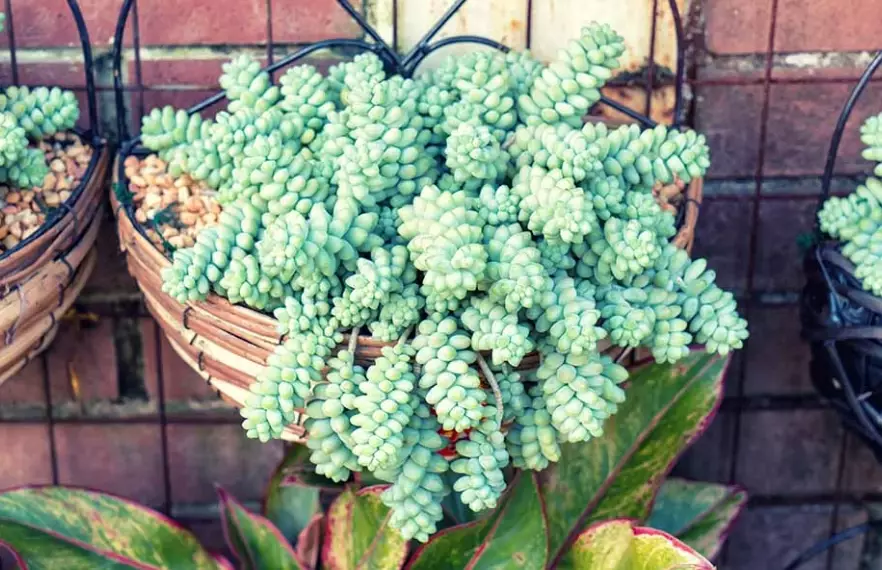
What You'll Find in This Guide
Choosing the Best Trailing Succulents for Your Space
Not all succulents that trail are created equal. Some are delicate, some are tough as nails. Picking the right one for your specific conditions is 80% of the battle.
For the Beginner: The Forgiving Classics
Start here. These plants will tolerate a few mistakes.
String of Hearts (Ceropegia woodii): My personal favorite. The heart-shaped leaves are charming, and it grows relatively fast. It's more forgiving with irregular watering than its pearl-shaped cousin. If it gets leggy, you can coil the vines back on top of the soil—they'll often root and create a fuller pot. A study from the University of Florida's IFAS Extension notes that Ceropegia species are excellent for their drought tolerance and unique morphology.
Burro's Tail (Sedum morganianum): Those plump, blue-green leaves are stunning. But here's the non-consensus tip: do not move this plant often. Those leaves pop off at the slightest jostle. Find it a bright spot and leave it be. It's a slow grower, so buy a fuller pot if you want impact now.
For the Challenged Light Situation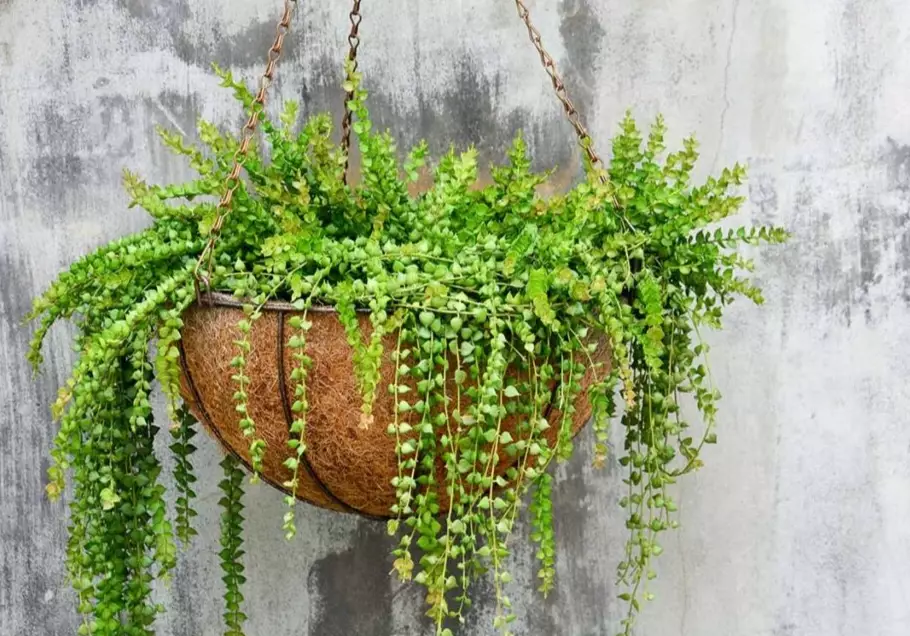
North-facing window? Room with only a few hours of sun? Don't give up.
Rhipsalis (Mistletoe Cactus): This is the secret weapon. It's a jungle cactus, not a desert one. It thrives in bright, indirect light and can handle lower light better than most succulents. It has a wild, architectural growth habit that looks fantastic in a macrame hanger.
String of Turtles (Peperomia prostrata): Technically a semi-succulent peperomia, but it fits the bill. Its tiny, patterned leaves look like turtle shells. It needs consistent moisture (don't let it bone dry) and bright, indirect light, but it's less demanding of direct sun.
| Plant | Light Needs | Water When... | Growth Speed | Special Note |
|---|---|---|---|---|
| String of Pearls | Bright, direct (4-6hrs) | Pearls look slightly shriveled | Medium | Most finicky. Prone to overwatering. |
| String of Bananas | Bright, direct | Soil is completely dry | Fast | More forgiving than Pearls. Great for quick fill. |
| String of Hearts | Bright, indirect to direct | Leaves are thin/bendy | Fast | Easiest "string" to start with. Propagates easily. |
| Burro's Tail | Bright, direct | Very infrequently (every 3-4 wks) | Slow | Fragile leaves. Loves neglect. |
| Rhipsalis | Medium to bright, indirect | Top inch of soil is dry | Medium | Best for lower light. Loves humidity. |
How to Care for Your Hanging Succulents
Care instructions for hanging succulents are often too vague. Let's get specific.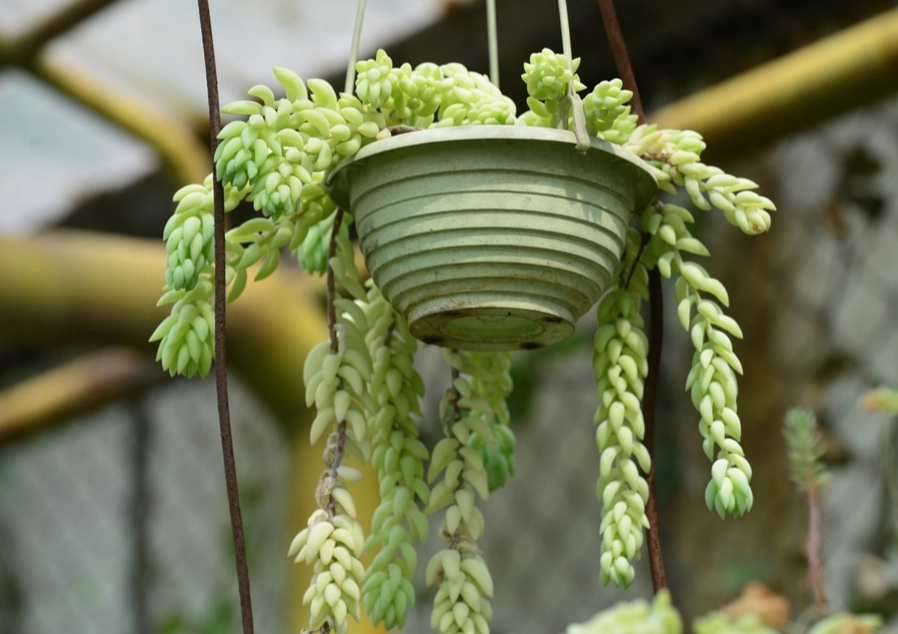
The Light Dilemma: Bright Indirect vs. Direct
Most labels say "bright indirect light." For trailing succulents, that's often the minimum. To prevent leggy growth (long stretches of stem between leaves), they crave several hours of direct sun. A south or west-facing window is ideal. East is good. North is tough.
See your plant stretching? Move it closer to the light gradually to avoid sunburn. A sheer curtain is your best friend for filtering harsh afternoon rays.
Watering: The Root of All Death
This is where I killed my first one. "Sparingly" doesn't mean a tiny sip every week. It means a thorough soak followed by a complete drought.
- Check the soil. Is it 100% dry all the way to the bottom? Stick your finger in, or lift the pot—it should feel light.
- Take the pot down (this is key). Place it in a sink or shower.
- Water slowly and evenly until water streams freely from the drainage holes. You want to saturate the entire root ball.
- Let it drain completely. I mean, leave it in the sink for an hour. No standing water in the cache pot or saucer. Ever.
- Hang it back up and forget about it for 1-3 weeks, depending on season, light, and humidity.
Soil and Potting: Giving Roots Room to Breathe
Standard potting soil is a death sentence. It holds too much moisture. You need a gritty, fast-draining mix. I use a 50/50 blend of a good cactus & succulent mix and additional perlite or pumice. For extra insurance, add a handful of orchid bark.
Pot choice matters. Terracotta is ideal—it's porous and wicks away moisture. Plastic retains water. Always, always use a pot with a drainage hole. If you love a decorative pot without a hole, use it as a cache pot: keep your succulent in its plastic nursery pot, and slip it inside the decorative one for display, taking it out to water.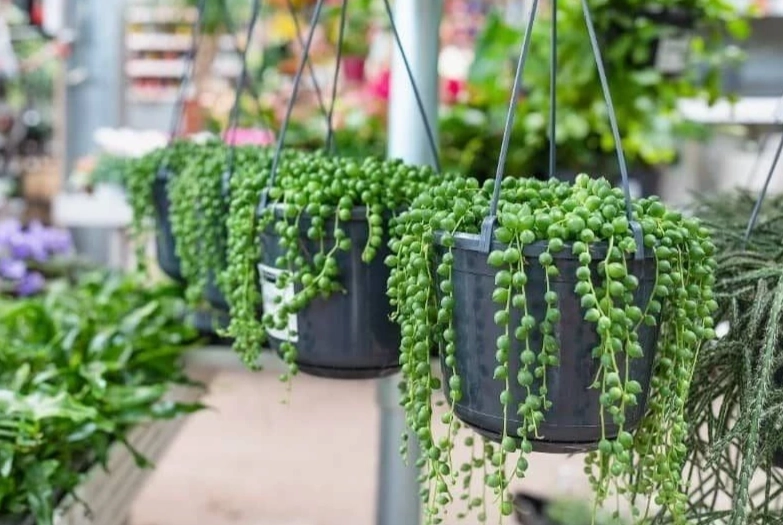
Creative Ways to Display Hanging Succulents
Getting the plant is half the fun. Showing it off is the other half.
Beyond the Macrame Hanger
Macrame is great, but let's think wider.
The Wall of Frames: Create a living gallery. Use shallow shadow boxes or picture frames with a back, fill them with soil and mesh, and plant a tapestry of String of Hearts and Sedum. Mount them on the wall like art. It's a project, but the payoff is huge.
The Tiered Effect: Use plant hangers of varying lengths from a single ceiling hook. Hang three different trailers at different heights—a String of Pearls on the bottom, a Burro's Tail in the middle, a Rhipsalis on top. Instant depth and drama.
The Unexpected Vessel: Teacups with holes drilled in the bottom, colanders, or even a stylish, well-draining pasta bowl can become a unique hanging planter. Just ensure you can attach a secure hanger.
Safety First: Hanging Heavy Planters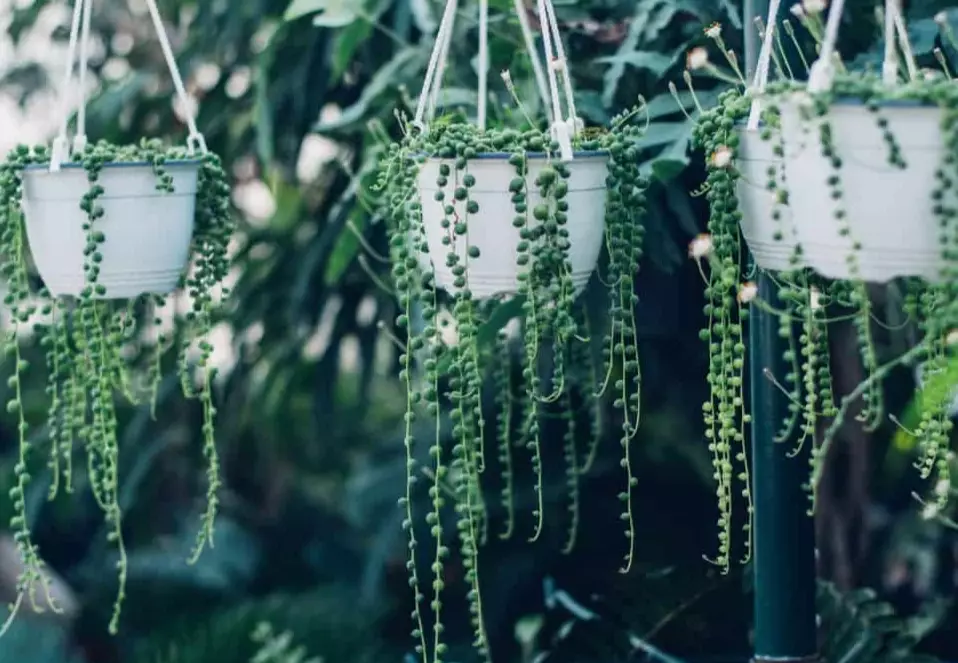
A full, watered ceramic pot is heavy. Don't trust a simple picture hook in drywall.
- Find a stud in your ceiling or wall using a stud finder. Screw a heavy-duty hook directly into the wood.
- For plaster or if you can't find a stud, use a heavy-duty toggle bolt anchor rated for much more weight than your pot.
- When in doubt, use a standing plant stand with a hanging arm. It's safer and more flexible.
Your Hanging Succulent Questions, Answered
These are the questions I get asked most, from friends and online plant communities.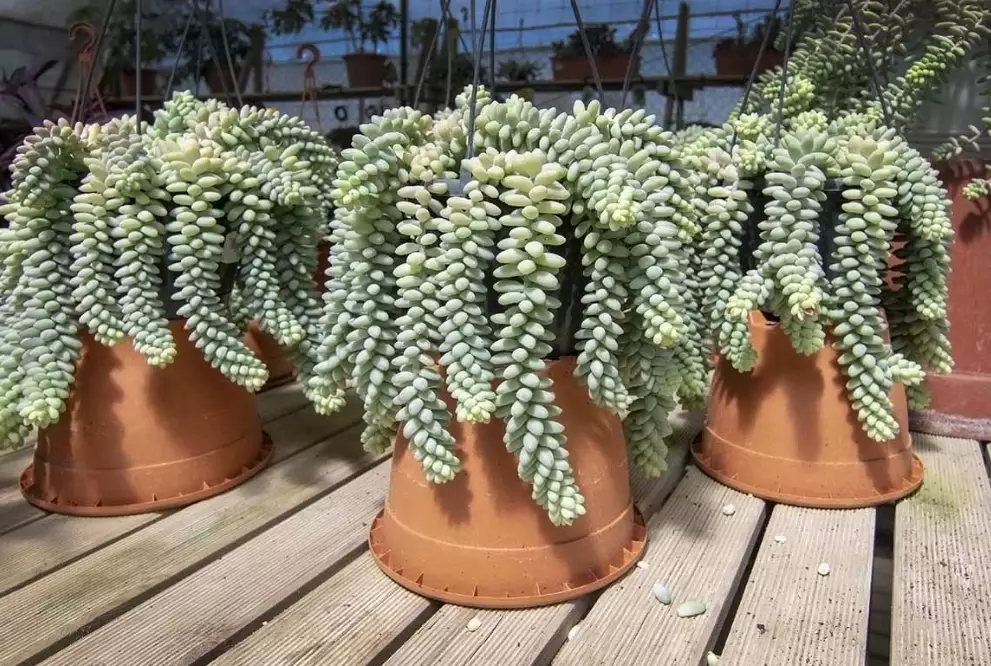
The journey with hanging succulents is a practice in observation. You learn to read the subtle signs—the slight give of a leaf, the color of the soil, the weight of the pot. Start with a forgiving String of Hearts or a resilient Rhipsalis. Master the soak-and-dry cycle. Find that bright spot. Once you get the rhythm, you'll find yourself looking up, wondering what other empty space could use a little green life cascading down from it.