So you've brought home a snake plant, or maybe you're staring at a pup you just separated from its mother plant. Now what? Planting a snake plant seems straightforward—stick it in dirt, right? But that's where most people make a few subtle mistakes that can haunt them for months, leading to yellow leaves, mushy stems, and that sinking feeling of plant failure.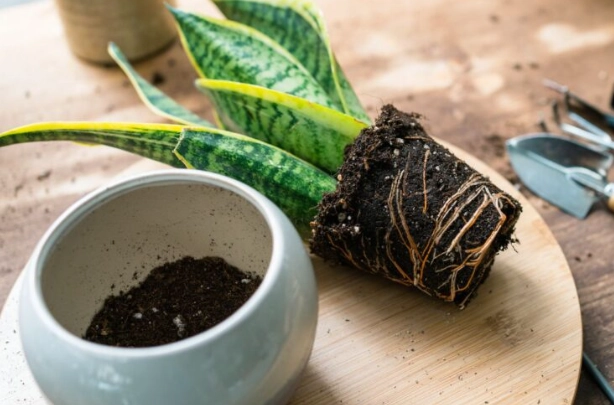
I've killed my share of Sansevierias (the fancy botanical name) by being too eager with the watering can or choosing the wrong pot. After a decade of trial, error, and talking to nursery pros, I've learned that getting the planting stage right is 80% of the battle. Do this part well, and you'll have a virtually indestructible companion that purifies your air and asks for nothing but neglect.
What You'll Learn in This Guide
- Why the Snake Plant is the Perfect Beginner's Plant
- Choosing the Right Pot: More Than Just Looks
- The Ideal Soil Mix: What Snake Plants Really Crave
- How to Plant a Snake Plant: A Step-by-Step Walkthrough
- The Critical First Weeks: Post-Planting Care
- Common Planting Mistakes (And How to Avoid Them)
- Your Snake Plant Planting Questions Answered
Why Getting the Planting Right Matters for Snake Plants
Snake plants are succulents. They store water in their thick, architectural leaves. Their root systems are relatively shallow and fleshy, designed to soak up water quickly when it's available and then endure long dry spells. This biology is the key to everything.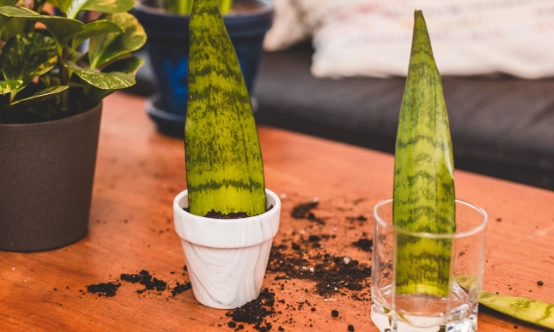
If you plant them in an environment that stays moist for too long—think dense soil, a pot that's too big, or a container with no drainage—the roots suffocate and rot. The rot travels up into the rhizome (the underground stem) and then into the leaves. It's a silent, slow death that often isn't apparent until the plant literally collapses.
Good planting sets up the right physical environment: excellent drainage and just enough space for the roots to be snug but not cramped. It's the foundation. You can mess up on light (they're fine in low light) and fertilizer (they hardly need any), but if you mess up the planting foundation, the plant struggles from day one.
Choosing the Right Pot: Your First Major Decision
This is more critical than most blogs let on. It's not just about aesthetics.
Size: The Goldilocks Principle
Too big is a disaster. Excess soil holds excess water, far beyond what the small rootball can absorb, creating a perpetually damp environment that invites rot. A good rule is to choose a pot that is only 1-2 inches (2.5-5 cm) wider in diameter than the root ball of your plant. If you're planting a single leaf cutting or a small pup, a 4-inch pot is perfect.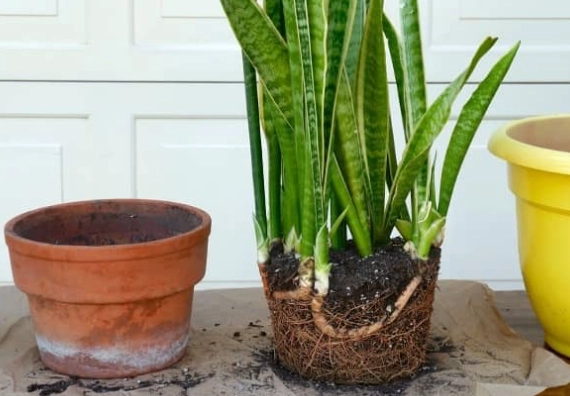
Too small isn't great either. The plant becomes root-bound too quickly, which can stunt growth and make it tip over. But honestly, a snake plant slightly root-bound in a small pot is infinitely healthier than one drowning in a huge one.
My first big snake plant died because I was seduced by a beautiful, large ceramic pot. I thought I was giving it room to grow. I was actually giving it a waterlogged grave.
Material: Terracotta vs. Plastic vs. Ceramic
| Material | Pros | Cons | Best For |
|---|---|---|---|
| Terracotta (Clay) | Porous, allows soil to dry evenly, prevents overwatering, weight provides stability. | Dries out faster (requires more frequent watering in hot climates), can get mineral stains. | Beginners and anyone prone to overwatering. The best choice for learning. |
| Plastic | Lightweight, inexpensive, retains moisture longer. | Retains moisture longer (risk of overwatering), can become brittle in sun. | Experienced waterers, using as a nursery pot inside a decorative cache pot. |
| Glazed Ceramic | Heavy, stable, wide variety of styles and colors. | Often lacks drainage holes, non-porous (holds moisture). | Use as a cache pot only. Never plant directly into one without a drainage hole. |
My non-consensus take? Start with terracotta. It's the teacher that helps you understand your plant's watering needs. The visual cue of the pot drying out (the color lightens) is invaluable for beginners.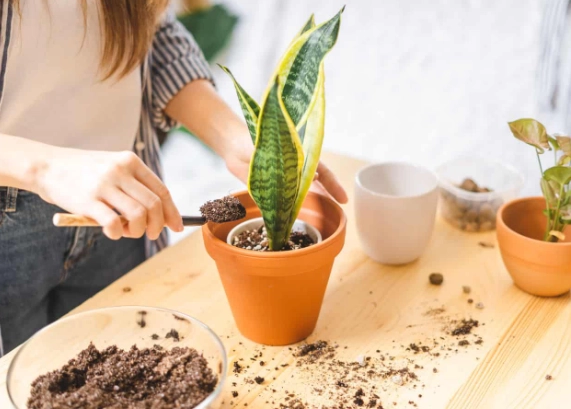
The Non-Negotiable: Drainage Holes
You must have a hole in the bottom of the pot where the plant's roots live. No debate. If you fall in love with a pot without a hole, you have two options:
- Drill one yourself using a masonry bit (for ceramic) or a regular drill bit (for plastic). Go slow with water as a lubricant.
- Use it as a cache pot. Plant your snake plant in a basic plastic nursery pot with holes, then slip that pot inside the beautiful, hole-less one. Just remember to empty the cache pot of any drained water 30 minutes after watering.
The Ideal Soil Mix: Don't Use Regular Potting Soil
This is the second biggest mistake. Bagged all-purpose potting mix is designed to retain moisture and provide a fluffy medium for roots. Snake plants hate that.
They need a mix that is gritty, chunky, and drains in seconds. Think of the coarse, rocky soil they'd encounter in their native West African habitats.
Option 1 (Easy): Buy a high-quality Cactus & Succulent Potting Mix. Look at the bag—you should see perlite, sand, or pumice. Even then, I often add a handful of extra perlite to commercial mixes to be safe.
Option 2 (Better): Make your own. It's simple, cheaper in the long run, and you control the quality. Here's my go-to recipe for a single plant:
- 2 parts All-Purpose Potting Mix (the base)
- 1 part Perlite or Pumice (for aeration and drainage)
- 1 part Coarse Sand (horticultural sand, not beach sand) or more Perlite
Mix it in a bucket until it's uniform. When you squeeze a handful, it should crumble apart easily, not hold a muddy ball.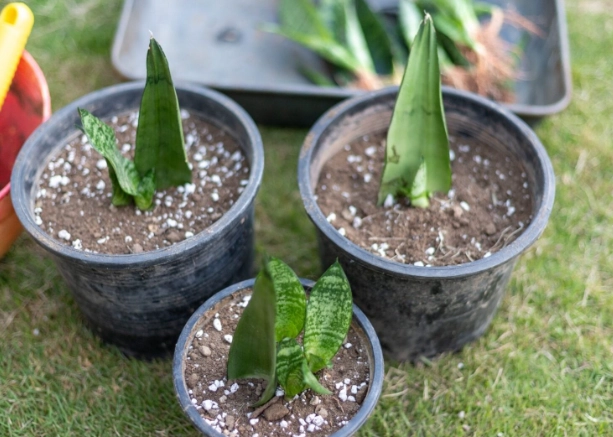
How to Plant a Snake Plant: A Step-by-Step Walkthrough
Let's walk through the actual process, whether you're potting a new plant, repotting an old one, or planting a division.
What You'll Need
- Your snake plant
- Chosen pot with drainage hole
- Your fast-draining soil mix
- A trowel or large spoon
- Newspaper or a tray to contain the mess
- Optional: gloves (the leaf tips can be sharp)
The Planting Process
1. Prep the Pot: Place a small piece of broken pottery, a mesh screen, or a coffee filter over the drainage hole. This prevents soil from washing out while allowing water to flow freely. Add a 1-2 inch layer of your soil mix to the bottom.
2. Position the Plant: Gently remove your snake plant from its old container. Loosen the roots slightly if they are a tight mass, but don't go crazy tearing them apart. Place the plant in the new pot. The goal is to have the top of the root ball sit about 1 inch below the rim of the new pot. This gives you space to water without overflow.
3. Fill and Firm: Holding the plant upright with one hand, use the other to scoop soil mix around the roots. Gently tap the pot on the table to settle the soil and eliminate large air pockets. Add more soil until it reaches the base of the leaves. Do not bury the leaves. The point where the green leaves emerge from the whitish rhizome should be right at the soil surface.
Here's the subtle part: firm the soil gently with your fingers. You want it snug enough that the plant doesn't wobble, but not compacted into concrete. A wobbly snake plant is annoying and means the roots aren't making good contact with the soil.
4. The First Water: Do not water immediately if the plant's roots were dry and the soil was dry. Wait a day or two to let any minor root injuries callus over. If the plant was freshly watered or the roots were moist, you can water now. Water thoroughly until it runs freely out of the drainage hole. This settles the soil further.
5. Clean Up and Place: Wipe any soil off the leaves. Place the pot in its final location—bright, indirect light is ideal, but they truly tolerate low light. Avoid direct hot sun immediately after planting to reduce stress.
The Critical First Weeks: Post-Planting Care
Your job now is mostly to wait and watch. Do not fertilize. Fresh potting mix has enough nutrients. Fertilizing can burn new, sensitive roots.
Watering: This is the hardest part. After that initial watering, let the soil dry out completely. I mean completely. Stick your finger deep into the soil, or use a wooden chopstick. If it comes out with any damp soil clinging to it, wait. This first dry-out might take 3 weeks. The plant is focusing energy on root establishment, not top growth, so it uses very little water.
You might see some leaves get a little soft or droop slightly. Don't panic and water! This is normal transplant stress. Resist the urge.
Once you see new, firm growth emerging from the center (this can take a month or two), you can resume your normal neglectful watering routine: soak thoroughly, then let dry out completely again.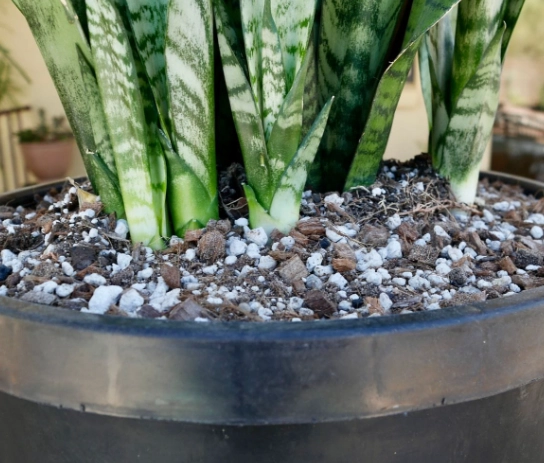
Common Planting Mistakes (And How to Avoid Them)
- Mistake 1: The Oversized Pot. We covered this. It's the #1 cause of slow decline. Size up incrementally.
- Mistake 2: Using Dense, Moisture-Retentive Soil. Bagged garden soil or pure compost is a death sentence. Always amend for drainage.
- Mistake 3: Planting Too Deep. Burying the leaves invites rot at the base. Keep the leafy part above the soil line.
- Mistake 4: Watering on a Schedule Post-Planting. “Once a week” is a terrible rule. Water based on soil dryness, not the calendar.
- Mistake 5: Immediately Putting in Harsh Sun. A stressed plant can scorch. Give it a week or two in moderate light to adjust.
Your Snake Plant Planting Questions Answered
Planting a snake plant correctly isn't complicated, but it requires ignoring some common gardening instincts (like giving plants "plenty of room to grow"). Get the pot size right, mix a gritty soil, plant at the correct depth, and then have the patience to let it dry out. Do that, and you'll have a tough, beautiful plant that thrives on your forgetfulness for a decade or more.
It's less about having a green thumb and more about understanding the desert-like conditions its roots crave. Set that stage from the very first pot, and the rest is easy.




Comments