How to Prune a Butterfly Bush for More Blooms and Health
Popular plants
Pruning a butterfly bush isn't rocket science, but get it wrong, and you'll miss out on those vibrant blooms that attract butterflies all summer. I learned this the hard way when I hacked mine back in autumn, only to see it struggle the next year. Let's cut through the confusion and get your buddleia thriving.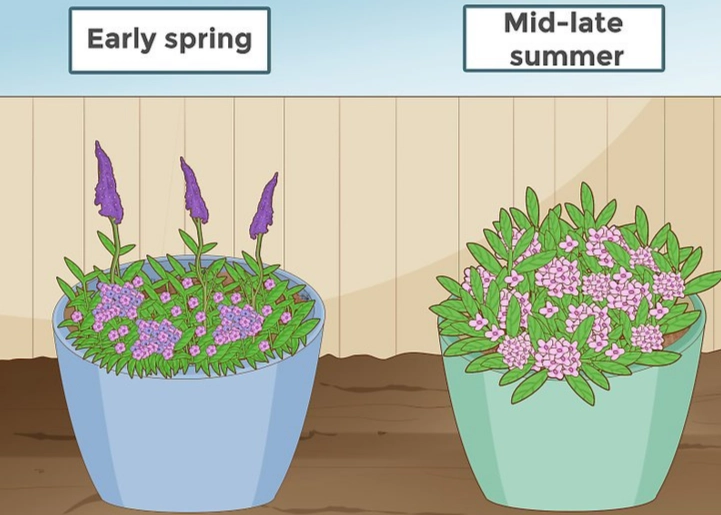
What You'll Find in This Guide
Why Pruning Butterfly Bushes is Non-Negotiable
Butterfly bushes (Buddleia davidii) are fast growers. Leave them alone, and they become leggy, woody, and produce fewer flowers. Pruning keeps them compact, encourages new growth where blooms form, and prevents them from becoming invasive. In some regions, like parts of the Pacific Northwest, buddleia can spread aggressively—pruning helps control seed dispersal. According to the Royal Horticultural Society, regular pruning maintains plant health and enhances flowering.
I've seen gardens where butterfly bushes are ignored. They turn into tangled messes, barely attracting any pollinators. It's a waste of potential.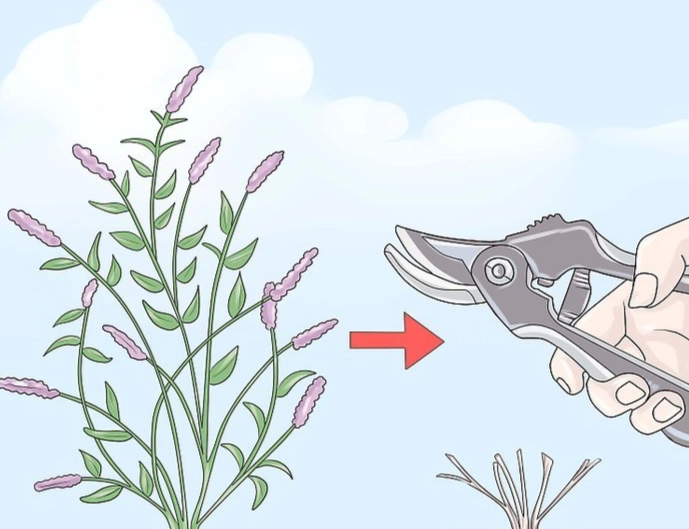
When to Prune: Timing is Everything
This is where most people slip up. Prune at the wrong time, and you'll sacrifice blooms or even damage the plant.
Spring Pruning vs. Fall Pruning
Always prune in late winter or early spring. Why? Butterfly bushes bloom on new wood—the growth that emerges in the current season. Pruning in spring stimulates that new growth just as the plant wakes up. Fall pruning is a no-go. It can prompt tender shoots that get zapped by frost, weakening the plant. In USDA hardiness zones 5-6, wait until the threat of last frost has passed, usually around March or April.
Here's a quick table to break it down:
| Pruning Time | Pros | Cons | Best For |
|---|---|---|---|
| Late Winter/Early Spring | Encourages robust new growth, maximizes blooms, reduces frost damage risk | Requires timing with weather patterns | Most regions, especially colder areas |
| Fall | None significant | Stimulates vulnerable growth, fewer flowers next year, potential dieback | Avoid entirely |
I made the fall mistake once. The bush looked tidy, but come spring, it was sparse. Lesson learned.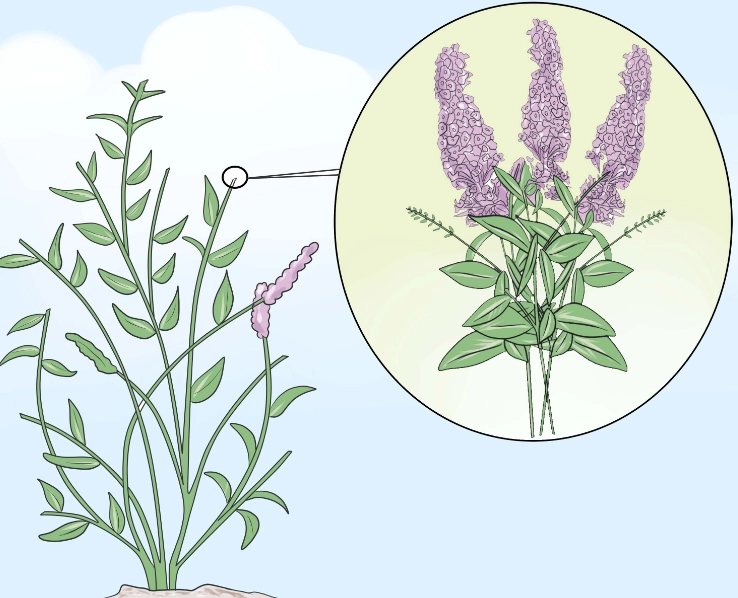
Tools You'll Need for the Job
Don't overcomplicate this. A few basic tools will do:
- Bypass pruners: For stems up to 1/2 inch thick. Get a sharp pair—dull blades crush stems, inviting disease.
- Loppers: For thicker, woody branches up to 2 inches. I use Felco loppers; they're pricey but last years.
- Pruning saw: Only if you have an old, neglected bush with massive stems.
- Disinfectant: A solution of 1 part bleach to 9 parts water. Wipe tools between cuts to prevent spreading pests or diseases like buddleia wilt.
- Gloves: Butterfly bush stems can be rough on hands.
Skip the fancy gadgets. I've tried electric trimmers, and they butchered the plant. Hand tools give you control.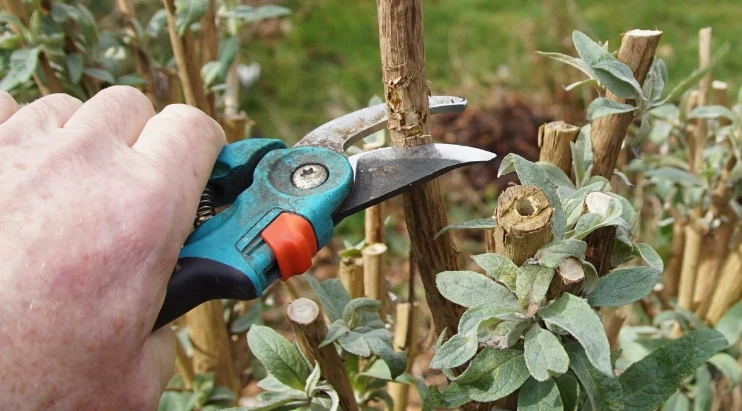
Step-by-Step Guide to Pruning Butterfly Bushes
Follow these steps, and you'll have a bush that's ready to explode with color.
Assessing the Plant
Start by looking at your butterfly bush. Is it young and spindly? Old and overgrown? This determines how aggressive you should be. For most established bushes, aim to cut back to 12-18 inches from the ground. New plants can be pruned less severely.
Check for dead or damaged wood. These are easy targets to remove first.
Making the Cuts
1. Remove dead stems: Cut them back to the base. If they're brown and brittle, they're gone.
2. Cut back live stems: Aim for those 12-18 inches above soil level. Make cuts just above a set of leaves or a bud, angled away from the bud to direct water runoff. This encourages branching.
3. Thin out crowded areas: If the center is dense, remove some older stems at the base to improve air circulation. This reduces mildew risk—a common issue in humid climates.
4. Shape the plant: Butterfly bushes look best with a rounded, natural form. Avoid shearing them into perfect balls; it looks unnatural and reduces flowering sites.
I like to work from the outside in. It helps me see the plant's structure better.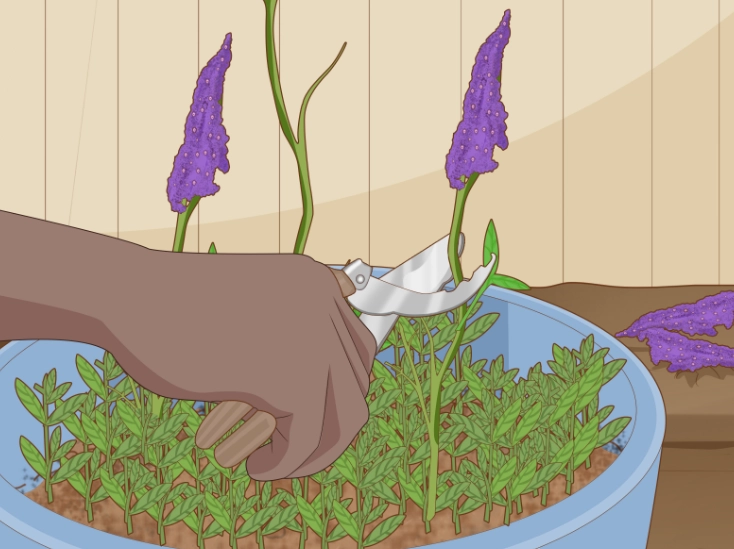
Cleaning Up
Dispose of the cuttings. Don't compost them if you suspect disease. Rake up any fallen debris around the base to deter pests.
Some gardeners apply a balanced fertilizer after pruning, but I find butterfly bushes aren't picky. In poor soil, a light dose of compost works wonders.
Common Mistakes to Avoid
Here's where my experience pays off. I've seen these errors repeatedly.
- Pruning too late in spring: If you wait until the bush is fully leafed out, you'll cut off emerging flower buds. Do it early, when you just see green nubs.
- Not cutting back enough (the "timid trim"): Leaving long stems results in a tall, floppy plant with flowers only at the tips. Be bold—butterfly bushes are resilient.
- Using dirty tools: This spreads pathogens. I disinfect after every few cuts, especially in wet weather.
- Ignoring the plant's age: Young bushes need lighter pruning to establish. Old ones may require rejuvenation by removing one-third of the oldest wood over three years.
A neighbor once pruned hers in mid-summer, thinking it would encourage more blooms. It just stressed the plant. Timing is key.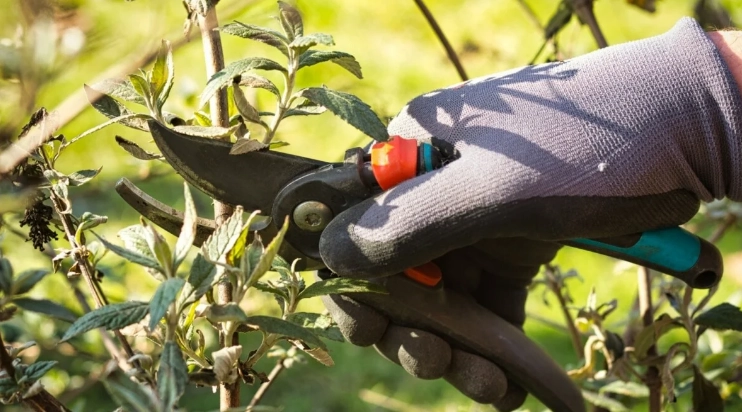
Aftercare and Maintenance
After pruning, water the bush deeply if the soil is dry. Mulch around the base with 2-3 inches of organic mulch to retain moisture and suppress weeds. Avoid piling mulch against the stems—it can cause rot.
Monitor for pests like aphids or spider mites. A strong spray of water usually handles them. For diseases like powdery mildew, ensure good air flow and avoid overhead watering.
Butterfly bushes are drought-tolerant once established, but consistent moisture during the growing season promotes better blooms. I water mine weekly in hot, dry spells.
Your Pruning Questions Answered
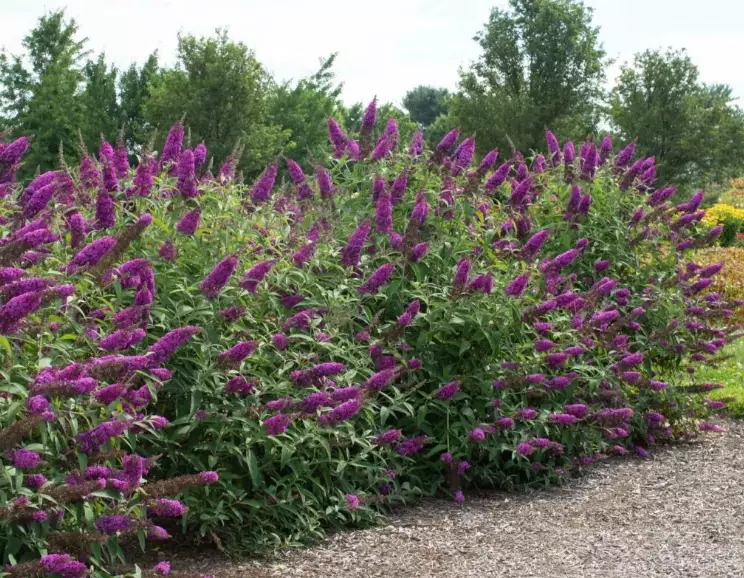 Pruning a butterfly bush might seem daunting, but with the right timing and technique, it's a straightforward task that pays off in blooms and butterflies. Grab your pruners, and give your buddleia the refresh it needs.