The Ultimate Guide to Caring for Your Aloe Vera Plant
Houseplant care
You got an aloe vera because everyone said it was easy. "Just ignore it," they told you. Now it's either a pale, stretched-out mess sitting in soggy soil, or a crispy, brown-tipped monument to neglect. I've been there. The truth about aloe vera care is more nuanced than the internet lets on. It's not about neglect; it's about understanding a plant that's built to survive, not necessarily thrive in our living rooms. This guide cuts through the generic advice. We'll go beyond "water sparingly" and dive into the why behind every step, so you can keep your aloe not just alive, but robust and ready to harvest.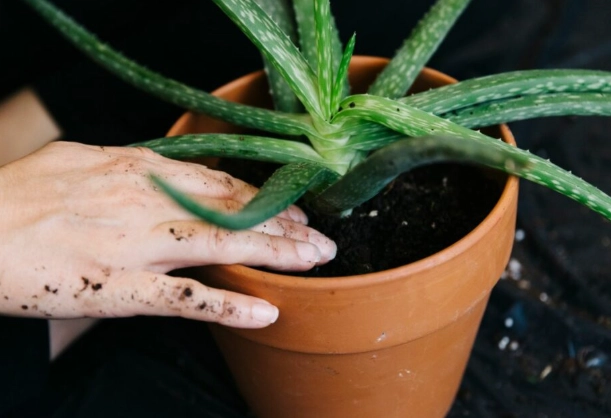
What You'll Learn in This Guide
The Biggest Mistake: Understanding Aloe's Thirst
"Overwatering" is the classic killer. But what does that actually mean? It's not just about volume; it's about frequency and soil environment. Aloe roots are designed to drink deeply and then dry out completely. Constantly damp soil suffocates them, leading to rot that starts underground long before you see the mushy leaves above.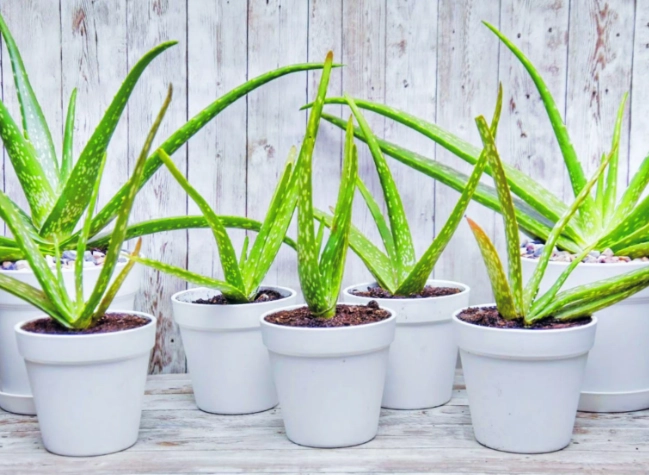
Here’s the method I swear by, learned after losing a few plants to guesswork:
The Finger Test vs. Moisture Meters
Forget fancy gadgets. Stick your finger into the soil up to the second knuckle. If you feel any coolness or dampness, wait. In winter, this drying period could be 3-4 weeks. In a hot, bright summer, maybe 10-14 days. A moisture meter can be fooled by dense soil pockets. Your finger is more reliable.
A friend of mine killed a beautiful aloe by sticking to a rigid "once every two weeks" schedule, regardless of season or light. The plant was in a cool, shady spot in winter and literally rotted from the inside out. Schedule-less watering is key.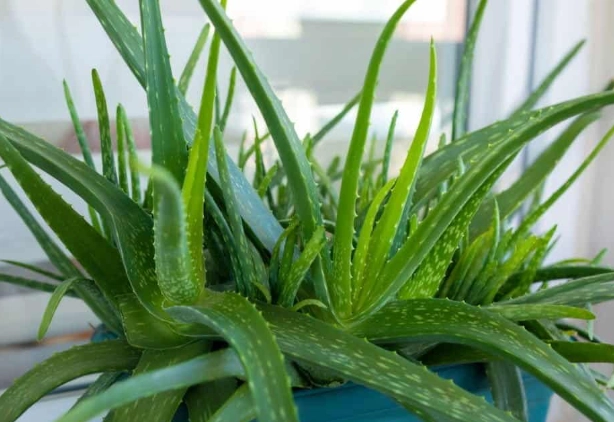
Finding the Right Light (It's Not What You Think)
"Bright, indirect light" is the mantra. But aloes can handle—and often appreciate—some direct sun. The problem is sudden exposure. A plant from a dim supermarket shelf will scorch if placed on a south-facing windowsill overnight.
| Light Situation | What Happens to Your Aloe | Best For |
|---|---|---|
| Strong Direct Sun (South/West window) | Leaves may develop a healthy reddish or orange stress tint. Growth is compact and sturdy. Risk: Sunburn (bleached, dry patches) if not acclimated. | Mature plants, encouraging offsets (pups), maintaining compact shape. |
| Bright Indirect Light (East window or near South window) | Steady, healthy green growth. The sweet spot for most home environments. | Almost all aloe veras. The safest, most consistent option. |
| Low Light (North window or far from any window) | Plant stretches (etiolates) towards the light, becoming leggy with pale, weak leaves. Growth slows or stops. | Avoid if possible. If unavoidable, water much less frequently. |
If your aloe is getting leggy, it's begging for more light. Move it closer to a window gradually. If it's getting scorched, pull it back a few feet. Observe and adjust—it's a conversation.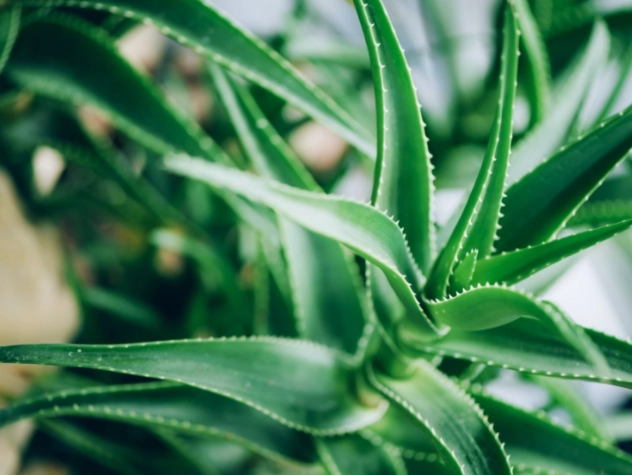
How to Choose the Right Pot and Soil for Aloe Vera
This is where most store-bought plants are set up to fail. They often come in plastic pots with no drainage, filled with moisture-retentive peat moss. It's a death sentence.
Pot Non-Negotiables:
Drainage Hole: Absolute must. No debate.
Material: Terracotta is king. It's porous, allowing the soil to dry from the sides as well as the top, preventing rot. Plastic pots retain moisture longer—fine if you're an under-waterer, risky if you tend to over-love.
Size: Here's a subtle error: planting a small aloe in a huge pot. Excess soil holds excess water, far from the roots, leading to rot. Choose a pot only 1-2 inches wider than the root ball.
Soil Science: You need fast drainage. Regular potting soil holds too much water. A study from a university agricultural extension service (like those from the University of Florida or University of California) consistently recommends well-draining mixes for succulents to prevent root diseases.
My homemade mix is 2 parts potting soil, 1 part coarse sand or poultry grit, and 1 part perlite or pumice. Or, just buy a reputable cactus & succulent mix and add extra perlite for good measure. The goal is water that runs through quickly, leaving air pockets for the roots.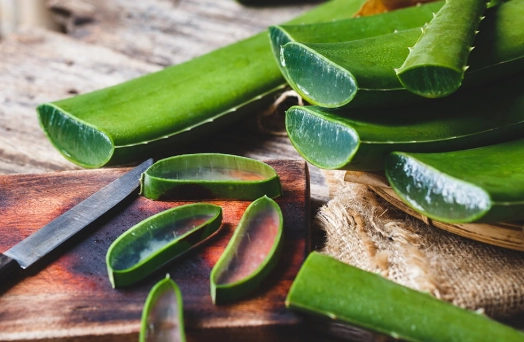
The Lowdown on Feeding and Repotting
Aloes aren't heavy feeders. In fact, feeding a stressed plant (from over/underwatering, poor light) can harm it. Only fertilize in the spring and summer, during active growth.
Use a balanced, water-soluble fertilizer (like a 10-10-10) diluted to half-strength, once a month at most. Or use a fertilizer specifically formulated for cacti and succulents. Less is more.
When to Repot: When the plant becomes top-heavy, when pups are crowding the pot, or when roots are visibly circling the bottom or growing out the drainage hole. Typically every 2-3 years.
The Repotting Process:
1. Water the plant a few days before repotting (easier to remove).
2. Gently tip and loosen the root ball. Shake off old soil.
3. Inspect roots! Trim any black, mushy ones with sterile scissors.
4. Place in new pot with fresh mix, filling in around the sides.
5. Critical step: Do not water for at least a week. This allows any damaged roots to callous over, preventing rot. Place in indirect light during this recovery.
Harvesting Gel and Advanced Troubleshooting
The reward. Always harvest from the oldest, outermost leaves. Cut close to the base with a clean knife. To extract gel, lay the leaf flat, slice off the serrated edges, and fillet off the top green skin. Scoop out the clear gel. Notice a yellow liquid? That's aloin, a laxative compound that can irritate skin. Try to avoid it.
Let's diagnose some common issues you won't find in basic lists:
Soft, Drooping Leaves: Usually overwatering/root rot. Check roots immediately.
Thin, Curling Leaves: The plant is using up its internal water reserves. It's thirsty. Give it a good soak.
Brown, Crispy Leaf Tips: Often underwatering, but can also be from fluoride in tap water or a sudden dry spell. Consistency is key.
Red or Orange Leaves: Often just "stress coloration" from strong sun. Not necessarily bad if the plant feels firm. It's like a plant tan.
No Pups (Baby Plants): The plant might be too young, or more commonly, it's not getting enough light. More light encourages pupping.
Your Aloe Vera Questions, Answered
Why are the tips of my aloe vera turning brown?
Brown tips are almost always a sign of inconsistent watering or chemical sensitivity. The most common cause is letting the plant dry out completely for too long, then drenching it. The roots get stressed and can't transport water efficiently to the leaf tips, which die off. It can also be a reaction to fluoride or chlorine in tap water. Try using filtered or rainwater, and aim for consistent, thorough watering when the soil is mostly dry.
How do I know if my aloe vera is getting too much sun?
Aloe loves light, but intense, direct afternoon sun can cause sunburn. Look for leaves turning a pale, washed-out green, then developing reddish-brown or grayish patches that feel dry and papery. This is different from the healthy stress coloration of red or orange tinges. If you see this, move the plant to a spot with bright, indirect light or morning sun only. Acclimate it slowly over a week when increasing light exposure.
What's the best way to harvest aloe vera gel without harming the plant?
Choose a mature, outer leaf that's thick and healthy. Use a clean, sharp knife and cut the leaf as close to the main stem as possible. This encourages cleaner healing. Lay the leaf flat on a cutting board and slice off the serrated edges. Then, fillet the leaf by slicing off the top green skin. Scoop out the clear gel, avoiding the yellow latex (aloin) that seeps from the skin, as it can be a skin irritant. The plant will seal the wound on its own.
My aloe vera is leaning over and feels soft. Can I save it?
A soft, leaning aloe is a major red flag for root rot, usually from overwatering. You need to act fast. Gently remove the plant from its pot and inspect the roots. Healthy roots are firm and light-colored. Mushy, dark brown or black roots are rotten. Cut all the rotten parts away with a sterile tool. Let the plant and its remaining healthy roots air dry for 2-3 days before repotting in fresh, dry, well-draining cactus mix. Hold off on watering for another week after repotting. It's a surgery, but success rates are good if you catch it early.
The final piece of advice? Pay attention. Your aloe will tell you what it needs. Pale and stretched? More light. Soft and mushy? Less water. Crispy? More water (properly). It's a resilient survivor. Your job is just to listen and provide the right desert-like conditions in your home. Now go check that soil with your finger.