Indoor Rubber Plant Care: Expert Tips for Thriving Ficus Elastica
Houseplant care
What You'll Learn in This Guide
Let's cut to the chase. You brought home a rubber plant (Ficus elastica), that glossy-leaved beauty, and now it's looking a bit sad. Maybe leaves are dropping, or growth has stalled. I've been there. After a decade of growing these plants, killing a few, and learning from mistakes, I'll share what most guides gloss over.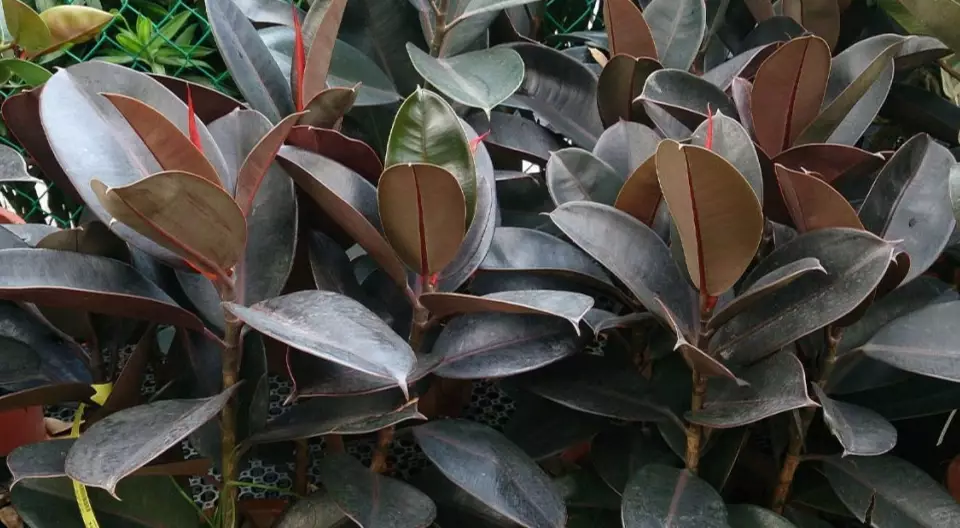
Rubber plants aren't just decor; they're resilient companions that purify air—NASA's Clean Air Study noted their ability to remove indoor toxins like formaldehyde. But they have quirks.
Why Rubber Plants Are a Home Essential
Beyond looks, rubber plants offer tangible benefits. They're low-drama if you get the basics right. I've seen them thrive in offices with fluorescent lights and apartments with sporadic care.
Air Purification and More
That NASA study isn't marketing fluff. Rubber plants absorb common pollutants, making your space healthier. They also boost humidity slightly, which helps in dry winters. My living room feels fresher with two large rubber plants.
Varieties to Choose From
Not all rubber plants are the same. The classic Ficus elastica 'Robusta' has dark green leaves. 'Tineke' features creamy variegation—stunning but needs more light. 'Burgundy' has deep red leaves. I started with a 'Robusta' because it's forgiving; variegated types can be finicky.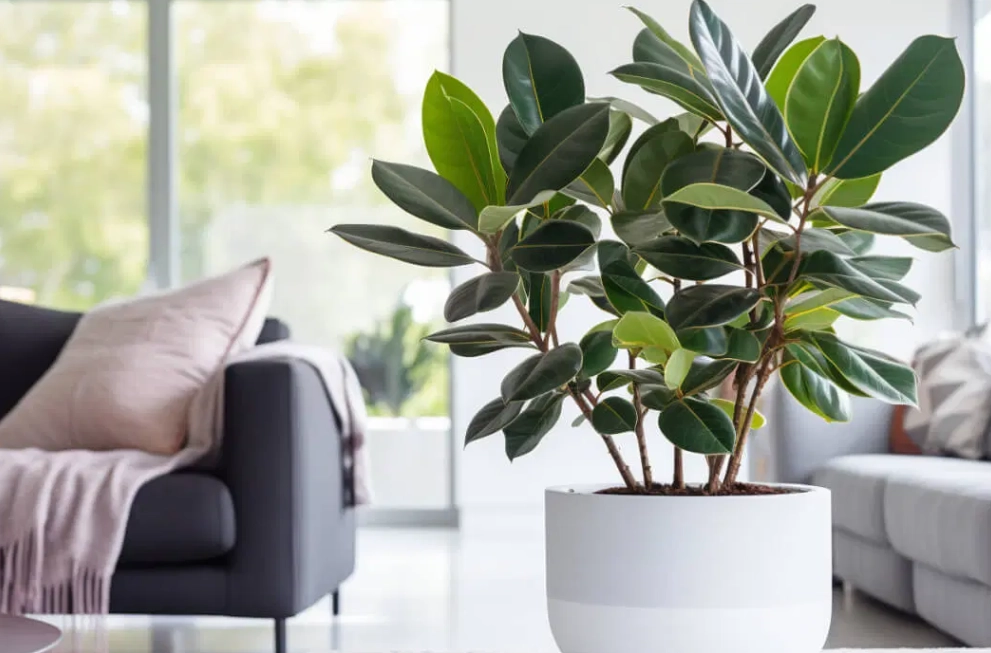
The Real Deal on Rubber Plant Care
Most advice repeats "bright indirect light" and "water when dry." That's vague. Here's the nuanced version.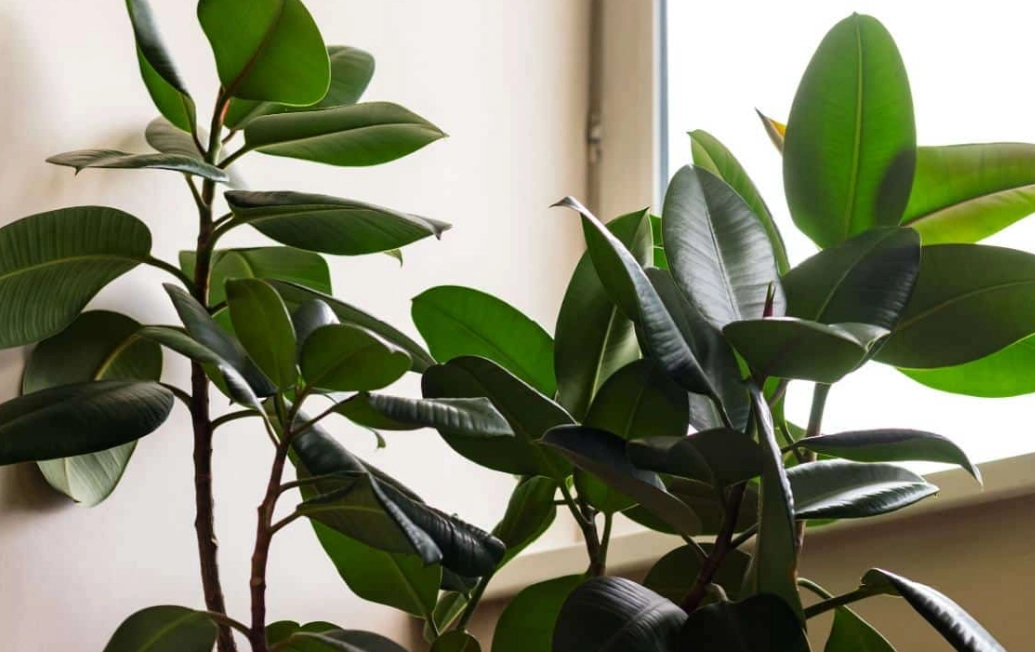
Light Requirements: More Than Just "Bright Indirect"
Rubber plants love bright, filtered light. An east-facing window is ideal. But they adapt. Mine gets direct morning sun for an hour—no burns. West windows work if you diffuse with a sheer curtain. South can scorch leaves.
Low light? It'll survive, but growth slows. I had one in a north room; it didn't die, but new leaves were tiny. Move it closer to light every few months if needed.
Watering: The Most Common Mistake Beginners Make
Overwatering kills more rubber plants than anything. I learned this the hard way—yellow leaves, mushy stems. Here's my method:
- Check soil moisture by finger: Go 2 inches deep. If dry, water.
- Water thoroughly until it drains from the bottom. Empty the saucer after 30 minutes.
- In summer, maybe every 10 days. In winter, stretch to 3-4 weeks. Your home's humidity matters.
Signs of overwatering: leaves turn yellow and drop from the bottom. Underwatering: leaves wilt and get crispy edges.
Soil and Potting: Setting the Foundation
Use well-draining mix. I blend potting soil with perlite and orchid bark for aeration. Repot every 2-3 years in spring. Choose a pot with drainage holes—non-negotiable. I once used a decorative pot without holes; root rot set in fast.
Fertilizing: When and How Much
Feed during growing season (spring to summer). A balanced liquid fertilizer diluted to half strength every 4-6 weeks. Skip winter. Over-fertilizing causes salt buildup; I've seen leaf burn from monthly full-strength feeds.
Pruning and Shaping: Keeping It Tidy
Prune to control height or encourage bushiness. Cut above a leaf node. Wear gloves—the sap can irritate skin. I prune mine annually in spring; it sprouts new branches within weeks.
| Care Aspect | What to Do | Common Pitfall |
|---|---|---|
| Light | Bright indirect, tolerates some direct morning sun | Placing in deep shade or harsh afternoon sun |
| Watering | When top 2" of soil is dry, then soak | Watering on a strict schedule regardless of soil |
| Soil | Well-draining mix (add perlite) | Using heavy, moisture-retentive soil |
| Temperature | 65-80°F (18-27°C), avoid drafts | Placing near AC vents or cold windows |
| Humidity | Average home humidity okay, mist if dry | Ignoring low humidity causing brown edges |
Fixing Common Issues (Before It's Too Late)
Problems pop up. Here's how to decode them.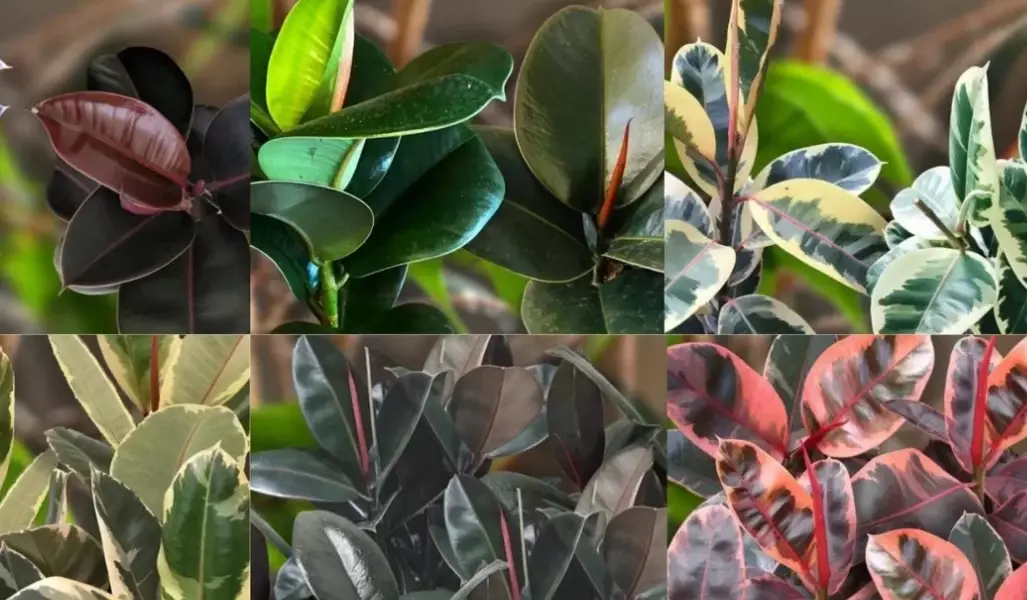
Yellow Leaves: What It Really Means
Yellow leaves often signal overwatering. But check—if it's older leaves yellowing slowly, that's natural shedding. If new leaves turn yellow, you're drowning it. Let soil dry out more between waterings.
I had a plant with yellow leaves; I assumed it needed water and made it worse. Lesson: probe the soil first.
Pest Infestations: How to Deal With Them Naturally
Spider mites and mealybugs love rubber plants. Signs: webbing, white cottony spots. Isolate the plant. Wipe leaves with soapy water or use neem oil. I use a mix of water, dish soap, and neem oil—spray every few days until gone. Prevention: keep leaves clean and humidity up.
Leaf Drop: Don't Panic
Rubber plants drop leaves when stressed—moving locations, temperature changes, or inconsistent watering. Mine dropped half its leaves after I repotted it. It bounced back in a month. Give it stable conditions.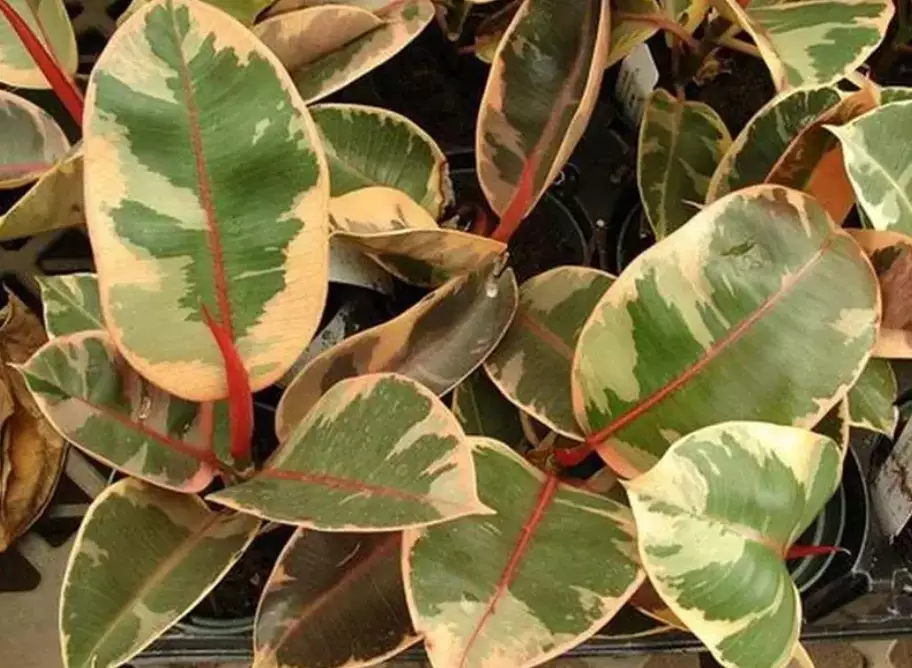
My Rubber Plant Journey: Wins and Fails
I bought my first rubber plant 10 years ago. It died within months from overwatering. I was watering weekly because a blog said so. Big mistake.
My second plant, a 'Burgundy', thrived once I ignored schedules and watched the plant. It's now 6 feet tall. I propagated cuttings in water—easy to do. Snip a stem, place in water, roots in 4-6 weeks.
One fail: I placed a variegated 'Tineke' in a dim corner. It lost variegation and got leggy. Moved it to brighter light, and it recovered but slowly. Rubber plants teach patience.
Your Top Questions Answered
 Rubber plants are robust if you listen to them. Start with a healthy plant, give it light and careful watering, and it'll reward you with growth. For more, check resources like the American Society for Horticultural Science on plant care basics.
Got questions? Drop a comment—I've probably faced it before.