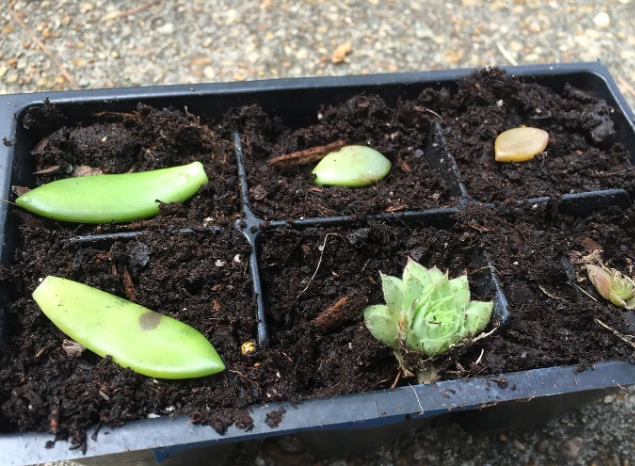
How to Grow Succulents from Leaves: Step-by-Step Guide
Houseplant care
Quick Navigation
I still remember the first time I tried growing succulents from leaves. It was a messy Echeveria 'Lola' leaf I snapped off by accident. I left it on a dry windowsill, forgot about it for weeks, and then—tiny pink roots! That moment hooked me. But over the years, I've seen countless leaves turn to mush instead of plants. Growing succulents from leaves isn't just about plucking and waiting; it's a subtle art that many guides oversimplify. Let's dive into the real details, the kind that only comes from trial and error.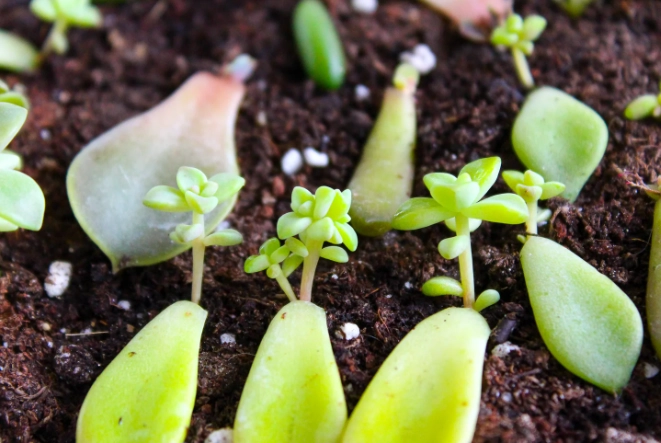
Choosing the Right Leaves: It's Trickier Than You Think
Not all succulent leaves are created equal. You can't just grab any leaf and expect magic. The leaf needs to be healthy, mature, and intact. I've made the mistake of using young, tender leaves from the top of the plant—they often shrivel up before rooting. Go for plump leaves from the middle or bottom of the plant. Gently wiggle them side-to-side until they snap off cleanly at the base. If you tear the leaf, it might not callus properly, inviting rot.
Best Succulent Varieties for Leaf Propagation
Some succulents are propagation champions, while others are stubborn. Echeverias and Sedums are your best bets—they root quickly and reliably. Graptopetalums and Pachyphytums are also great. But don't waste time with leaves from succulents like Aloe or Haworthia; they rarely propagate from leaves and are better grown from offsets. According to the Royal Horticultural Society, leaf propagation success varies widely by genus, so focus on fleshy-leaved types.
| Succulent Type | Ease of Propagation | Average Rooting Time | Notes from My Experience |
|---|---|---|---|
| Echeveria | Very Easy | 2-4 weeks | High success rate, even for beginners |
| Sedum | Easy | 1-3 weeks | Fast rooters, great for impatient gardeners |
| Graptopetalum | Moderate | 3-5 weeks | Leaves can be fragile; handle with care |
| Crassula (Jade) | Difficult | 4-8 weeks | Low success; often better from stems |
The Step-by-Step Propagation Process
Once you have the right leaves, the real work begins. This isn't a set-it-and-forget-it process. You need to mimic the dry, bright conditions succulents love.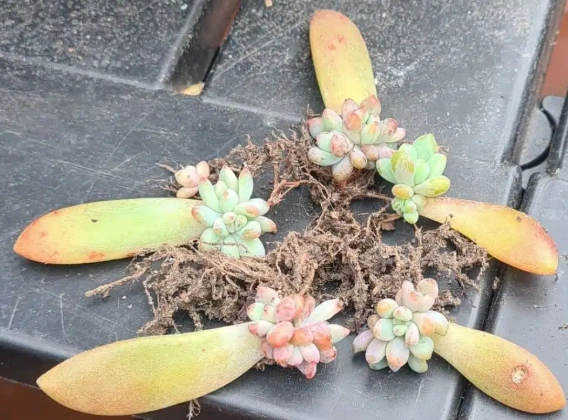
Step 1: Let the Leaf Callus Over
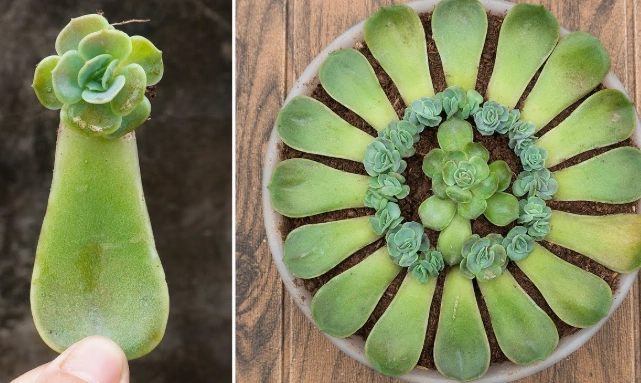
After removing the leaf, place it on a dry paper towel or tray. Don't water it. Don't even think about misting. The cut end needs to form a callus—a dry, hardened layer that prevents rot. This takes 2-7 days, depending on humidity. I live in a humid climate, so I use a fan to speed it up. If you skip this step, you're asking for trouble.
Step 2: Choose Your Propagation Medium
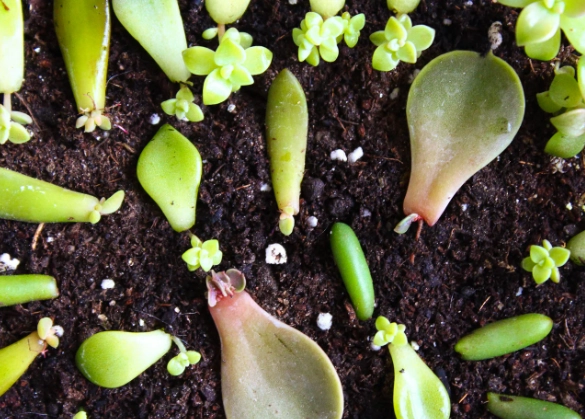
You can use soil, sand, or even just air. I prefer a well-draining mix: half potting soil, half perlite or coarse sand. Spread the callused leaves on top, cut side down but not buried. Some gardeners swear by water propagation, but I've found it increases rot risk. If you're curious, try it with a few leaves as an experiment—just change the water every few days.
Step 3: Provide the Right Environment
Bright, indirect light is key. Direct sun can scorch the leaves. A south-facing windowsill works, but if it's too hot, use a sheer curtain. Temperature-wise, aim for 65-75°F (18-24°C). According to the University of California Agriculture and Natural Resources, succulents thrive in stable, warm conditions for propagation.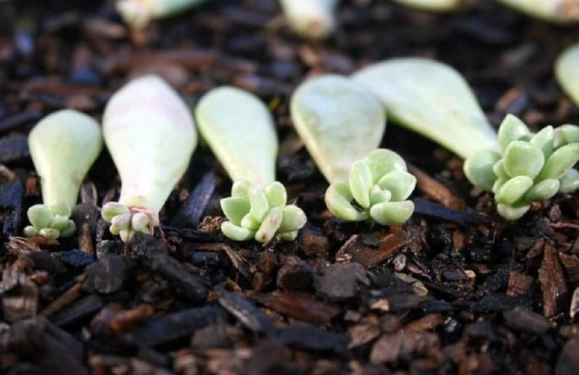
Step 4: Watering—The Delicate Balance
This is where most people fail. Don't water until you see roots or a tiny rosette forming. Even then, just lightly mist the soil around the roots, not the leaf itself. Overwatering is the #1 killer. I wait until the soil is completely dry before giving a sip. It's better to underwater than overwater.
Why Your Leaves Fail (And How to Fix It)
Let's talk about the ugly side. Leaves rotting, shriveling up, or doing nothing for months. I've been there. One time, I lost a whole batch because I placed them in a closed container for "humidity"—big mistake. Succulents need airflow to prevent fungal growth.
Common errors include:
- Overhandling the leaves: Touching them too much can transfer oils and damage the cut.
- Using poor-quality soil: Heavy, moisture-retentive soil is a death sentence. Always go for drainage.
- Impatience: It can take weeks or months. Don't give up too soon. I've had leaves sit for two months before showing life.
A subtle mistake I see rarely mentioned: propagating in low light. Leaves might root but then etiolate, becoming leggy and weak. Ensure they get enough brightness from the start.
Advanced Tips for Faster Success
For those who want to level up, here are some pro techniques. Use rooting hormone? I'm mixed on this. For succulents, it can help but isn't necessary. I've used a dab of honey as a natural alternative—it has antimicrobial properties. Also, consider bottom heat. Placing the tray on a heat mat set to 70°F can stimulate root growth, especially in cooler climates.
Timing matters. Propagate in spring or early summer when plants are active. In winter, growth slows, so be patient. But with indoor setups, you can try year-round. Just adjust expectations.
Your Questions Answered
Growing succulents from leaves is a rewarding way to expand your collection. It teaches patience and observation. Start with a few leaves, apply these tips, and don't be discouraged by failures. Every rotten leaf is a lesson. Happy propagating!