Monstera Care Guide: How to Grow a Thriving Swiss Cheese Plant
Houseplant care
Let's talk about the Monstera deliciosa, or Swiss cheese plant. You've seen it everywhere, from trendy cafes to your friend's Instagram feed. It's that iconic plant with the huge, glossy leaves full of dramatic splits and holes. Everyone wants one, and for good reason. It's a statement piece. But here's the thing I've learned after years of growing them: while they're sold as "easy" plants, there's a gap between keeping one alive and helping it truly thrive. That gap is filled with specific, often overlooked details. This guide is about closing that gap.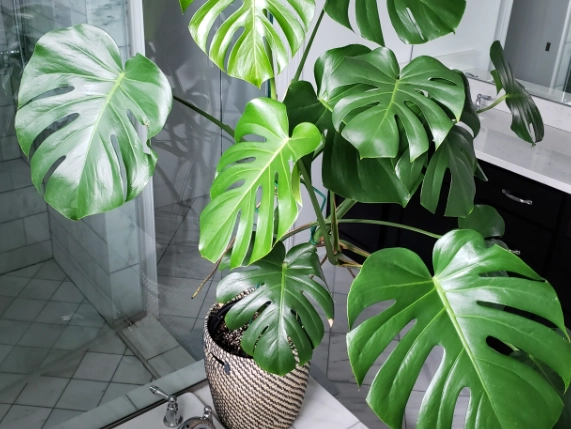
What's Inside?
- Monstera 101: More Than Just a Pretty Leaf
- Light: The Non-Negotiable for Those Famous Holes
- How to Water Your Monstera the Right Way
- Soil & Food: Building a Strong Foundation
- Quick Fix Guide: Monstera Problems & Solutions
- Why Won't My Monstera Leaf Split? (The Real Reason)
- Your Monstera Questions, Answered
Monstera 101: More Than Just a Pretty Leaf
First, a quick intro. The "Swiss cheese plant" nickname comes from the fenestrations—those holes and splits in the leaves. In the wild, these allow rain and light to pass through to lower leaves. It's a climber, using aerial roots to latch onto trees. Indoors, it wants to do the same thing. If you just let it sprawl, it gets messy. Giving it a moss pole or stake to climb changes everything. The leaves get larger, the stems stronger.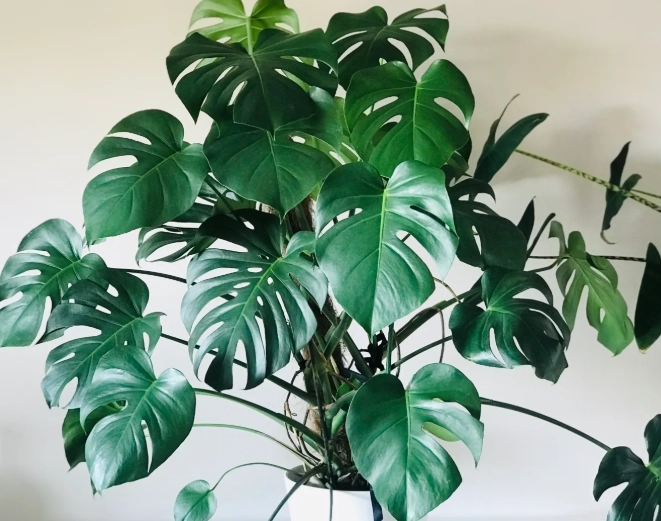
You might also see Monstera adansonii, the "Swiss cheese vine," with smaller, more hole-filled leaves. It's a faster grower and loves to trail. The care principles are very similar, though adansonii can be slightly more thirsty.
Light: The Non-Negotiable for Those Famous Holes
This is the biggest make-or-break factor, and where most "low light" labels mislead. Yes, your Monstera won't immediately die in a dim corner. But it will just... exist. Growth will be slow, stems leggy, and new leaves will be small and solid—no splits.
What it really wants is bright, indirect light. Think near an east-facing window, or a few feet back from a south or west window. A spot where it can see the sky but not get scorched by direct afternoon sun. Direct sun can bleach and burn those beautiful leaves.
If you only have lower light, manage your expectations. It will be a slower, less dramatic plant. Consider supplementing with a grow light. A simple LED bulb in a desk lamp for a few hours a day can work wonders.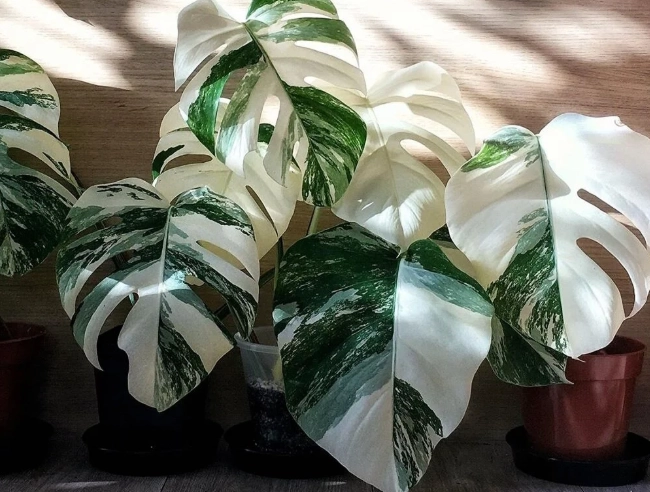
How to Water Your Monstera the Right Way
I've killed a Monstera or two in my time by being too eager with the watering can. Overwatering is the fastest way to a sad, yellowing plant with root rot.
Forget a schedule. "Water once a week" is terrible advice. It depends on your home's light, temperature, humidity, and the size of the pot.
The Finger Test Method
This is foolproof. Stick your index finger into the soil, up to about the second knuckle (roughly 2 inches). If the soil feels dry at that depth, it's time to water. If it feels even slightly damp or cool, wait. In the winter, you might only need to water every two or three weeks. In a bright summer spot, it could be weekly.
When you do water, do it thoroughly. Take the plant to the sink and water slowly until you see a good amount drain out the bottom. This ensures the entire root ball gets hydrated. Let it drain completely before putting it back in its decorative pot. Never let it sit in a saucer of water.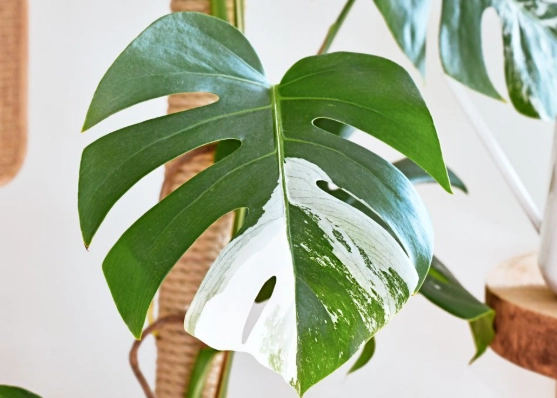
Soil & Food: Building a Strong Foundation
Monsteras need soil that holds some moisture but drains exceptionally well. A standard potting mix straight from the bag is often too dense and retains water for too long.
I make my own simple mix: two parts regular potting soil, one part perlite, and one part orchid bark (or coconut coir). The perlite and bark create air pockets, preventing compaction and improving drainage. This mix mimics the chunky, airy environment of their natural habitat.
For fertilizer, they're not heavy feeders. During the main growing season (spring and summer), a balanced liquid fertilizer (look for an NPK ratio like 10-10-10 or 20-20-20) diluted to half strength once a month is perfect. Feed less or not at all in fall and winter when growth slows. Over-fertilizing leads to salt buildup in the soil, which can burn the roots.
Humidity, Temperature, and Other Comforts
Monsteras appreciate higher humidity (above 50%), but they adapt well to average home humidity. If your air is very dry (common in winter with heating), you might see crispy brown edges on the leaves. A humidifier is the best fix. Grouping plants together or placing the pot on a pebble tray with water can also help a bit.
They like regular room temperatures—between 65°F and 85°F (18°C-29°C). Avoid cold drafts from doors or windows and direct blasts from heating or air conditioning vents.
Support, Pruning, and Propagation
Give it something to climb. A moss pole, coco coir pole, or even a sturdy wooden stake encourages vertical growth and larger leaves. Attach the stems loosely with plant Velcro or soft ties.
Pruning is simple. You can trim any leggy or unwanted stems back to a node (the bump on the stem where a leaf emerges). Use clean, sharp shears.
Those cuttings are gold. Propagating Monstera is incredibly easy. Take a cutting with at least one node and one leaf. You can root it in water (change the water weekly) or directly in moist potting mix. Once roots are a few inches long, pot it up. Suddenly, you have a new plant.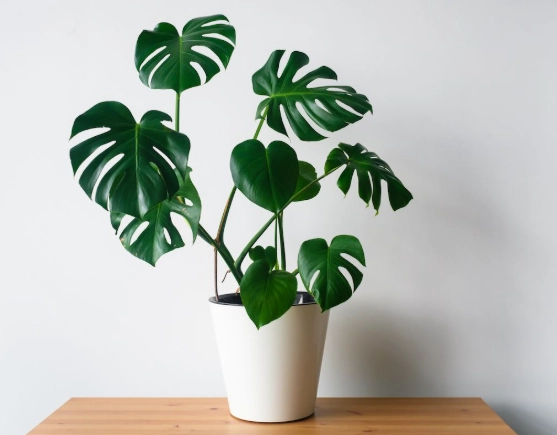
Why Won't My Monstera Leaf Split? (The Real Reason)
This is the most common frustration. People buy a Monstera for the holes, and then new leaves keep coming out solid. Age is a factor—young plants produce solid leaves. But the biggest factor is light.
Fenestration is the plant's efficient response to adequate light. It can "afford" to have holes because it's getting enough energy. In low light, it makes solid leaves to maximize photosynthesis. If your mature Monstera isn't splitting, move it to a brighter spot. Patience is key; the next new leaf might be the one.
Quick Fix Guide: Monstera Problems & Solutions
| Symptom | Likely Cause | What to Do |
|---|---|---|
| Yellow leaves | Most often overwatering. Could be underwatering, low light, or nutrient deficiency. | Check soil moisture first. Adjust watering. Ensure adequate light. |
| Brown, crispy leaf edges | Low humidity or inconsistent watering (soil drying out completely). | Increase humidity. Water more consistently before soil gets bone dry. |
| Brown spots/patches in center of leaf | Often sunburn from direct, hot sun. | Move plant to a spot with bright, indirect light only. |
| Drooping leaves | Usually underwatering. Can also be overwatering if roots are damaged. | Feel the soil. If dry, water thoroughly. If wet, check for root rot. |
| No new growth | Insufficient light, or it's dormant (winter). Could need fertilizer. | Assess light levels. Feed lightly in growing season. |
| Small leaves, no splits | Not enough light. Plant is immature. | Provide brighter indirect light. Be patient for maturity. |
For pest issues (like spider mites or scale), isolate the plant and treat with insecticidal soap or neem oil. Wiping leaves regularly with a damp cloth helps prevent pests and keeps the leaves photosynthesizing efficiently.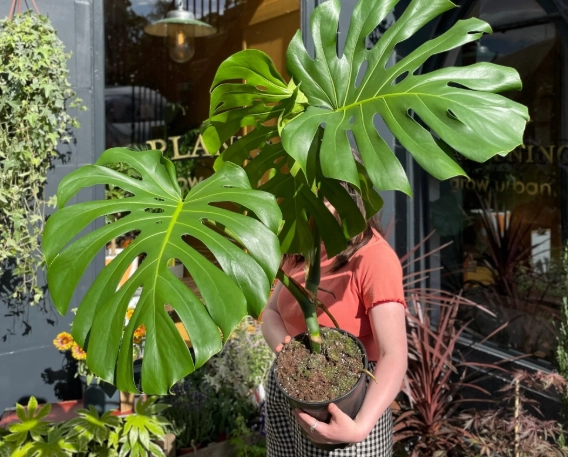
A Personal Note on Patience
I bought my first large Monstera about eight years ago. It sat in a corner, barely growing, for almost a year. I moved it once, just three feet closer to a window, and it was like flipping a switch. New, larger leaves with splits started unfurling. Sometimes the fix is that simple. These plants communicate through their leaves. Pay attention, tweak one variable at a time, and you'll learn its language.
Where to Get a Monstera
They're widely available at local nurseries, garden centers, and even grocery stores. For specific varieties like the variegated Monstera albo (which commands high prices), check specialized online plant shops or local plant swap groups. Always inspect for pests before bringing a new plant home.
Your Monstera Questions, Answered
Monstera leaves turning yellow? Here's what you need to check first.
Your finger is your best tool. Poke it in the soil. Is it soggy? You're overwatering. Let it dry out more between waterings. Is it dry as a bone? You might be underwatering. If the soil feels okay, consider light. A Monstera in very low light will slowly yellow. Also, old leaves at the bottom naturally yellow and die off occasionally—just pluck them.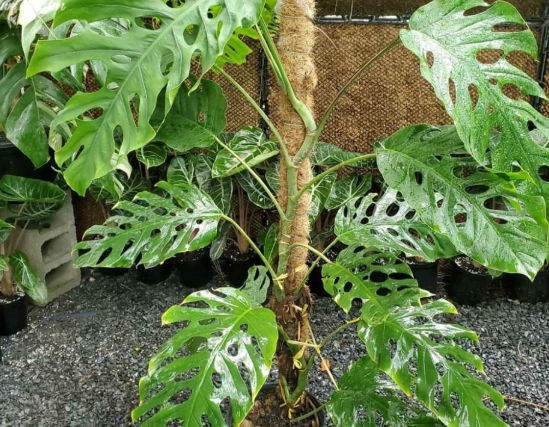
Can I put my Monstera outside in the summer?
You can, but you must acclimate it slowly. Start in full shade for a week, then move to dappled shade. Never put it in direct, hot afternoon sun—the leaves will burn. A covered patio is ideal. Bring it back inside well before nighttime temperatures drop below 50°F (10°C). Watch for pests more closely when it's outside.
How do I clean Monstera leaves?
Dust blocks light. Every month or so, gently wipe both sides of the leaves with a soft, damp cloth. You can add a drop of mild dish soap to the water. Support the leaf from underneath with your hand to prevent tearing. This also gives you a chance to inspect for pests.
When should I repot my Monstera?
Repot in spring or early summer when you see roots growing out of the drainage holes, or when the plant dries out unusually fast. Only go up one pot size (2-3 inches wider in diameter). A pot too large holds excess wet soil, risking root rot. If you don't want a bigger plant, you can "top dress" by replacing the top few inches of soil, or root prune and repot in the same container.