The Complete Guide to Cat Grass: Benefits, Growing & Safety
Getting started
In This Guide
- So, What Exactly Is Cat Grass?
- Why Does My Cat Go Crazy for This Stuff? The Top Benefits
- Cat Grass Showdown: Picking the Right Type
- How to Grow Cat Grass That Doesn't Look Sad: A Step-by-Step Guide
- Keeping It Safe and Fun: The Do's and Don'ts
- Answering Your Burning Cat Grass Questions
- The Final Verdict on Cat Grass
Let's be real. You buy the fancy toys, the plush beds, the gourmet food. And what does your cat go nuts for? A cardboard box. Or, in this case, a pot of simple, green grass. If you've ever caught your cat munching on your houseplants (RIP, spider plant) or seen them eyeing the lawn with a little too much interest, you've stumbled upon the reason cat grass exists. It's not just a trend; for many cats, it's a genuine craving.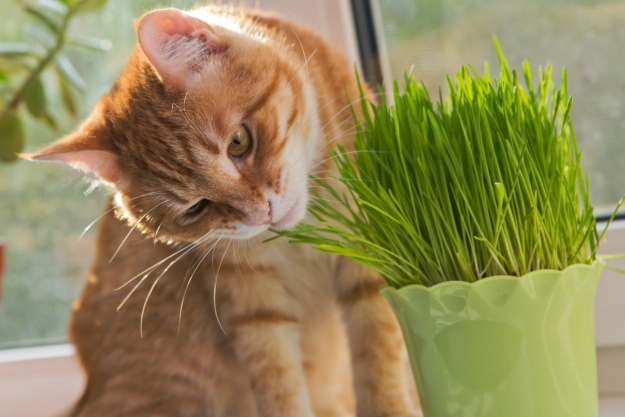
But what is it, exactly? Is it safe? Why do they want it? And how on earth do you grow it without ending up with a moldy mess or a cat who treats it like a litter box? I've been through it all – the triumphant, lush green patches and the dismal, soggy failures. This guide is here to cut through the confusion and give you the straight talk on everything cat grass.
So, What Exactly Is Cat Grass?
It's not one specific plant. When we talk about "cat grass," we're usually referring to a few different types of young, tender cereal grasses that are safe and appealing for cats to chew on. Think of it as a mini, indoor pasture designed specifically for your obligate carnivore who, paradoxically, seems to want a side salad.
The most common varieties are wheatgrass, oat grass, barley grass, and rye grass. You'll often find them sold as "cat grass" in pet stores or garden centers, either as seeds, ready-to-grow kits, or pre-grown pots. It's different from catnip (which is a mint relative that causes a euphoric reaction) and it's definitely not the same as the grass on your lawn, which might be treated with chemicals or harbor parasites.
Why Does My Cat Go Crazy for This Stuff? The Top Benefits
Cats aren't exactly known for their love of veggies. So why the grass obsession? It turns out, this behavior is rooted in instinct, and it comes with some pretty solid perks.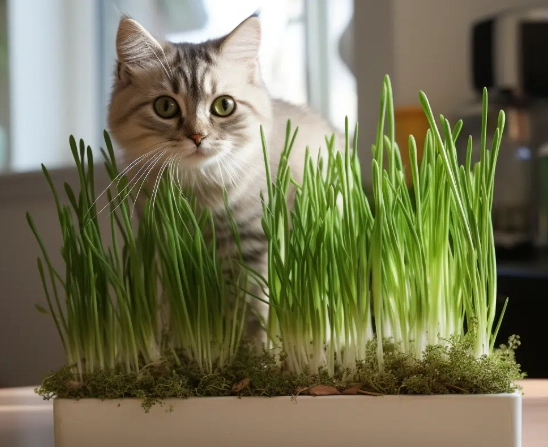
A Natural Digestive Aid (The Hairball Helper)
This is the big one. Cats groom themselves constantly, swallowing loose fur. That fur can build up in their stomach, forming hairballs. The indigestible, fibrous blades of cat grass act as an irritant in the digestive tract, which can help trigger vomiting to bring up those pesky hairballs before they get too large and cause a blockage. It's nature's broom.
Some people think the grass provides nutrients or enzymes. While the grasses do contain some nutrients like folic acid and chlorophyll, the primary digestive benefit is really that mechanical, fiber-driven cleansing action.
Nutritional Booster? Maybe a Little.
While cats get their essential nutrients from meat, the young grasses do contain trace amounts of vitamins (like A, D, and B-complex), minerals, and chlorophyll. Chlorophyll has been suggested to have minor blood-cleansing and wound-healing properties, though the evidence for significant nutritional impact in cats is slim. It's more of a nice little bonus than a primary reason to offer it.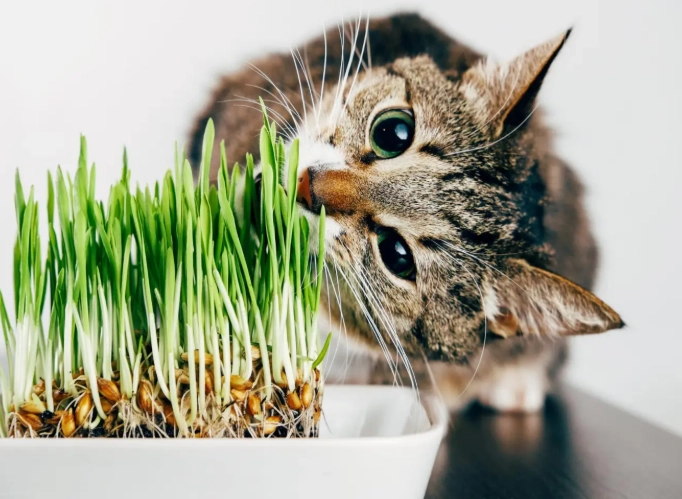
Behavioral Enrichment and Stress Relief
This is a benefit we often overlook. For indoor cats, life can be... predictable. A pot of growing cat grass provides sensory stimulation. They can sniff it, paw at it, hide in it, and chew it. The act of chewing and grazing can be a calming, natural behavior that reduces boredom and stress. It gives them a little piece of the “wild” to interact with.
A Safe Alternative to Your Houseplants
Many common houseplants are toxic to cats (lilies, pothos, sago palms – the list is long and scary). By providing an attractive, safe alternative like a dedicated pot of cat grass, you can potentially divert your cat's attention away from your prized, and potentially poisonous, foliage. It's a sacrificial plant for the greater good of your décor and your cat's health.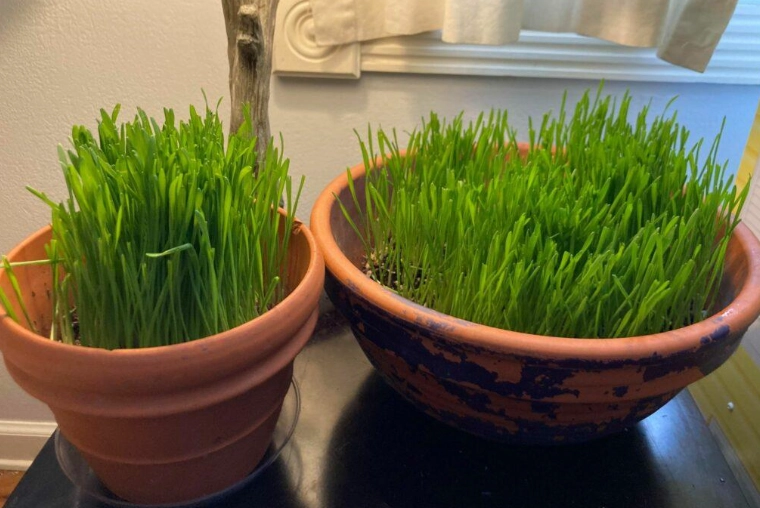
Thinking of adding greenery? Always cross-check your plants with the ASPCA's comprehensive list of toxic and non-toxic plants. It's an invaluable resource I use constantly.
Cat Grass Showdown: Picking the Right Type
Not all cat grasses are created equal. Some cats have clear preferences. Here’s a quick breakdown of the most popular types to help you choose.
| Type of Grass | What It's Like | Good For... | My Experience |
|---|---|---|---|
| Wheatgrass | The most common. Sweet, tender, fast-growing. Bright green. | Great starter grass. Most cats love it. High in chlorophyll. | My cat's absolute favorite. Grows like crazy, but can get floppy. |
| Oat Grass | Slightly broader, sturdier blades. Has a heartier, oat-like flavor. | Cats who are rough chewers. It holds up better to pawing. | Grows slower but is more durable. Less likely to mold quickly. |
| Barley Grass | Similar to wheatgrass but often cited as having higher nutrient density. | Owners looking for potential extra nutritional benefits. | Honestly, my cat couldn't tell the difference from wheatgrass. |
| Rye Grass | Often found in outdoor mixes. Can be coarser. | Mixes for texture variety. Not usually the first choice solo. | I find it a bit too tough. My cat tends to ignore it if wheatgrass is there. |
| Pre-Grown Kits | Ready-to-eat grass in a pot. Instant gratification. | Total beginners, testing if your cat likes it, or as a quick fix. | Convenient but expensive long-term. Quality can be hit or miss. |
| Seed Packets | The DIY route. Most cost-effective. | Anyone willing to put in a tiny bit of effort for continuous supply. | The way to go. You control the soil and grow multiple batches. |
My advice? Start with a simple wheatgrass or oat grass seed packet. They're cheap, and you can see what your feline critic thinks. You can even try a blend.
How to Grow Cat Grass That Doesn't Look Sad: A Step-by-Step Guide
Growing cat grass is easier than keeping a basil plant alive, I promise. But there are a few tricks to avoid the common pitfalls.
What You'll Need:
- Seeds: Organic cat grass seeds (wheat, oat, etc.). Don't use seeds meant for agricultural or lawn use, as they may be treated.
- Container: A shallow, wide pot with drainage holes. Those cheap terracotta saucers work perfectly.
- Soil: A good quality, sterile potting mix. Don't use garden soil—it can compact and may have bugs or fungi.
- Water: A spray bottle is your best friend.
The Foolproof Process:
- Soak the Seeds: This is the secret step many skip. Soak your seeds in lukewarm water for 6-8 hours (or overnight). This kickstarts germination and leads to faster, more even growth.
- Prepare the Pot: Fill your container with 2-3 inches of moistened potting mix. Don't pack it down tightly.
- Plant Densely: Drain the soaked seeds and spread them thickly over the soil surface. You want a carpet, not individual plants. Gently press them into the soil, but don't bury them deeply.
- Create a Mini Greenhouse: Lightly mist the seeds, then cover the pot loosely with clear plastic wrap or a plastic bag. This keeps humidity high. Place it in a warm, dark spot (like a cupboard).
- The Wait: Check daily and mist if the surface looks dry. You should see little white roots and sprouts in 2-3 days.
- Uncover and Give Light: Once sprouted, remove the plastic and move the pot to a spot with bright, indirect light. A windowsill is great, but not in scorching direct sun, which can cook the tender grass.
- Water from Below: Now, stop misting! To prevent mold and weak roots, place the pot in a shallow dish of water for 10-15 minutes, letting the soil soak it up from the bottom. Then let it drain completely. Do this when the top soil feels dry.
The #1 Killer of Cat Grass: Overwatering. Soggy soil = mold city. If you see fuzzy white or green mold, toss the batch and start over. It's not worth the risk. Bottom watering is the key to avoiding this heartbreak.
In about 7-10 days, you'll have a lush patch of cat grass ready for harvest. And by harvest, I mean presenting it to your cat and watching them go to town.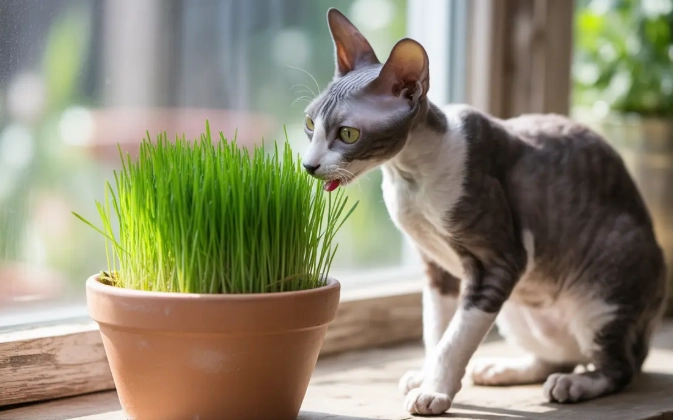
Keeping It Safe and Fun: The Do's and Don'ts
Cat grass is safe, but it's not a free-for-all. A little management goes a long way.
Do:
- Offer it in Moderation: Let your cat graze for 10-15 minutes a day, then put it out of reach. Unlimited access can lead to overeating and more vomiting than necessary.
- Start a New Batch Regularly: Cat grass is an annual. It looks great for 2-3 weeks, then starts to yellow and fade. Plan to sow a new pot every 2-3 weeks for a constant supply of fresh, tasty grass.
- Use Multiple Pots: Have one “active” pot for your cat and one “growing” pot. This rotation ensures you always have fresh grass ready.
- Place it Strategically: Put it away from their food and water bowls, and definitely far from their litter box. You don't want them associating their salad bar with their bathroom.
Don't:
- Use Chemical Fertilizers: Ever. If you feel you must feed it, use a diluted organic liquid fertilizer once when the grass is a few inches tall. Usually, the seeds have enough energy stored to produce a good crop without it.
- Let it Become a Litter Box: Some cats might confuse soft soil with litter. If this happens, you can place smooth, clean stones or marbles on the soil surface around the grass blades to block access to the dirt.
- Ignore Excessive Vomiting: Occasional vomiting of grass and hair is normal. If your cat is vomiting frequently (more than once a week) or seems to be in distress, stop the grass and consult your veterinarian. It could indicate an underlying issue.
- Forget About Other Pets: Cat grass is generally safe for dogs too, but they might destroy the pot in one enthusiastic chomp. Keep an eye on multi-pet households.
Answering Your Burning Cat Grass Questions
Here are the questions I get asked the most, and the answers I wish I'd had when I started.
The Final Verdict on Cat Grass
Look, it's not a magic bullet or an essential nutrient. Your cat won't wither away without it. But for many cats, it's a simple, safe, and highly satisfying form of enrichment that can help with a common problem (hairballs) and potentially save your other houseplants.
Growing your own is cheap, easy, and kinda fun. It's a small project with a happy, purring payoff. The key is to not overthink it. Get some seeds, soak them, don't drown them, and see what happens.
Worst case? You're out a couple of bucks and have a pot of compost.
Best case? You've just discovered your cat's new favorite thing, and you get to watch them happily munch away on their very own personal patch of green. That's a win in my book.