Neon Pothos Care: The Ultimate Guide to Growing a Vibrant Plant
Houseplant care
Let's talk about the neon pothos. You've seen it. That shock of electric lime green cascading from a shelf, glowing in a corner, looking impossibly vibrant against a dark wall. It's the plant that makes people stop and ask, "Is that real?" More than just pretty, it's famously forgiving. But here's the thing I've learned after growing them for a decade: "easy" doesn't mean "no rules." Most people keep their neon pothos alive, but they miss the simple tricks to make it truly spectacular. We're not just aiming for survival here. We're going for a plant so lush and colorful it looks like it's plugged in.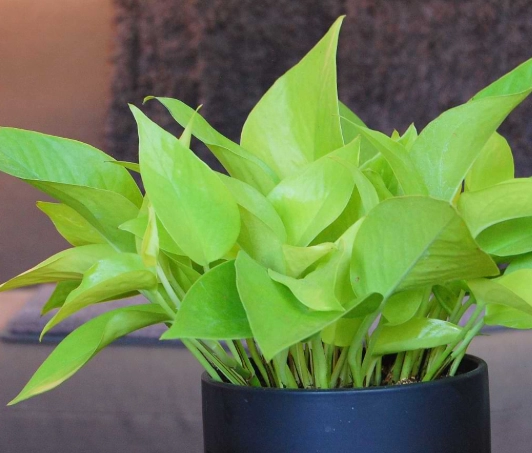
What's Inside This Guide
What Makes Neon Pothos So Special?
Botanically, it's Epipremnum aureum 'Neon'. But forget the Latin. Its magic is in the lack of variegation. Unlike its cousins the marble queen or golden pothos, the neon is a solid, screaming chartreuse. No creamy whites, no dark greens. Just pure, unadulterated neon.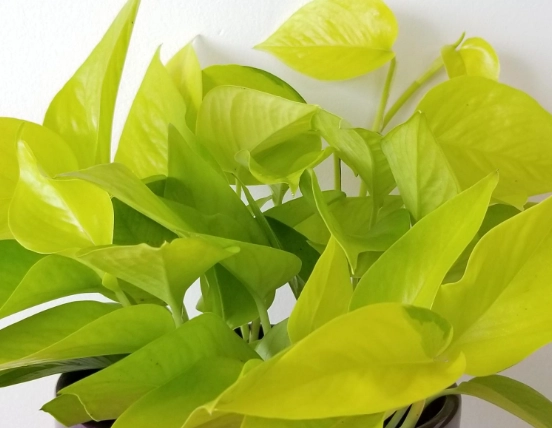
This solid color is its superpower and its slight vulnerability. It means light affects it differently. It also grows like a weed when happy. I've had vines grow a foot in a month during the summer. It's a plant that gives you rapid, satisfying feedback.
My First Neon: I killed my first one. Seriously. I was so scared of overwatering that I let it get bone dry for weeks. The leaves turned crispy and fell off. The lesson? Neglect is just as deadly as over-attention. These plants are tough, but they're not cacti.
Finding the Perfect Light Spot (The Color Secret)
Light is everything for the neon's color. This is where most generic advice gets it wrong.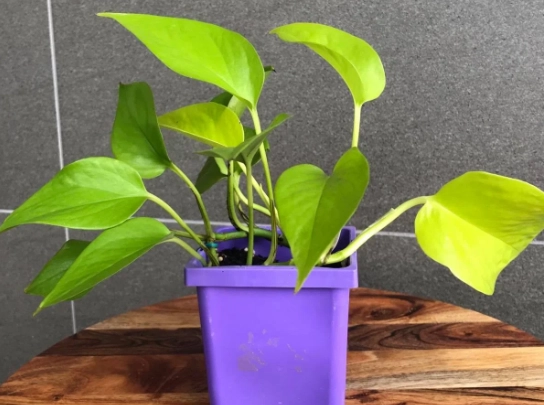
You'll read "low light tolerant." That's technically true—it won't die in a dim room. But in low light, the neon fades. That brilliant lime dims to a sickly, pale yellow-green. The plant stretches out, with more space between leaves, looking leggy and sad.
The sweet spot is bright, indirect light. Think of a spot where you can read a book comfortably without turning on a lamp. A north or east-facing window is perfect. A few feet back from a south or west window (behind a sheer curtain) also works.
Direct sun, especially the hot afternoon kind, will scorch the leaves. You'll see brown, crispy patches. No coming back from that.
Here's a quick guide to light and its effects:
| Light Condition | What Happens to Your Neon Pothos | Best For... |
|---|---|---|
| Bright, Indirect | Vibrant neon color, fast, compact growth. The goal. | North/East windows, shaded South/West. |
| Medium Light | Good color, steady but slower growth. Perfectly fine. | Room interiors with good ambient light. |
| Low Light | Color fades to dull green, very slow/leggy growth. | Keeping it alive, not thriving. |
| Direct Sun | Leaf scorch (brown crispy spots). Avoid. | — |
Watering: The One Mistake Almost Everyone Makes
Overwatering. It's the killer of 90% of houseplants, and neon pothos is no exception. The mistake isn't just watering too often; it's watering without checking.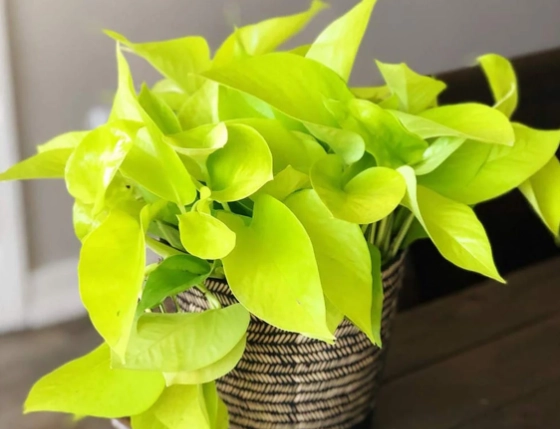
Forget the schedule. Don't water every Tuesday. Your plant doesn't know what day it is. Humidity, temperature, light, and pot size all change how fast soil dries.
Here's the only method you need:
- Finger Test: Stick your finger into the soil up to the first knuckle (about 1-2 inches).
- Feel: Is it dry? Completely dry? Wait, is there any coolness or dampness?
- Water: Only water if the top 1-2 inches feel dry. Water thoroughly until it runs out the drainage holes.
- Drain: Let it drain completely. Never let it sit in a saucer of water.
In winter, you might water every 3-4 weeks. In a hot, bright summer, maybe every 7-10 days. The plant will tell you—slightly drooping leaves are a sign it's thirsty. Wilting and yellowing leaves often mean too much water.
The Pot Matters: That cute ceramic pot with no drainage hole? It's a death trap for roots. Always use a pot with holes. You can place the plastic nursery pot inside the decorative one, just remember to empty the outer pot after watering.
Soil & Fertilizer: The Support System
Neon pothos isn't picky, but it appreciates good soil. A standard, well-draining potting mix is perfect. I often mix in a handful of perlite or orchid bark to my all-purpose mix to make it even airier—this helps prevent soil compaction and improves drainage.
Fertilizer: Think of it as vitamins, not food. The plant makes its own food through photosynthesis. Fertilizer provides essential minerals.
- When: During the active growing season (spring and summer).
- How Much: Use a balanced, water-soluble houseplant fertilizer (look for an NPK ratio like 10-10-10 or 20-20-20).
- My Method: I dilute it to half the strength recommended on the bottle and apply it every 4-6 weeks. Less is more. Over-fertilizing can burn the roots and cause brown leaf tips.
- Fall & Winter: Stop fertilizing. The plant is resting.
Propagation: How to Make Free Plants
This is the fun part. Propagating neon pothos is foolproof and the best way to create a fuller plant or share with friends.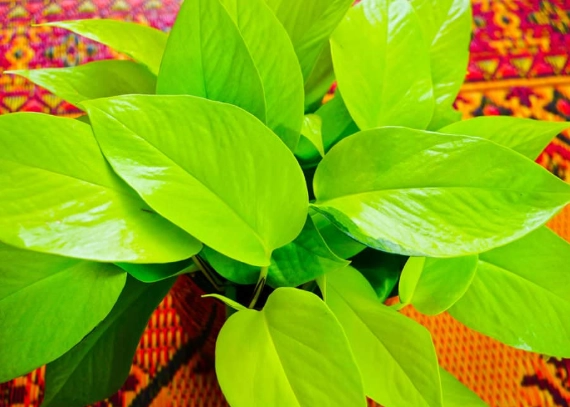
How to Propagate in Water (The Classic Method)
- Cut a healthy vine. Look for a section with at least 3-4 leaves.
- Make your cut just below a node. The node is that little brown bump on the stem. This is where roots will emerge.
- Remove the leaf closest to the cut end.
- Place the cutting in a glass of water, ensuring the node is submerged.
- Put it in a bright spot (no direct sun) and change the water every week.
- In 2-6 weeks, you'll see white roots sprouting. Wait until they're a couple of inches long.
- Pot it up in soil and keep the soil slightly moist for the first week or two as it adjusts.
Want a bushier mother plant? Don't throw those cuttings away! Once rooted, plant several of them back into the original pot. Instant fullness.
Troubleshooting Common Problems
Let's decode what your plant is trying to say.
- Yellow Leaves: The classic sign of overwatering. Check your soil moisture immediately. Could also be a sign of poor drainage or the plant being root-bound.
- Brown, Crispy Leaf Tips: Usually low humidity or a buildup of salts/minerals from tap water or fertilizer. Try using filtered or distilled water, and don't over-fertilize.
- Leggy Growth with Small Leaves: Not enough light. Move it closer to a light source.
- Pests: Mealybugs (look like tiny cotton balls) or spider mites (fine webbing) can appear. Wipe leaves with a damp cloth or use insecticidal soap. Isolate the affected plant first.
- Leaves Losing Neon Color: Too much light bleaches them, too little light dulls them. Adjust its position.
Your Neon Pothos Questions Answered
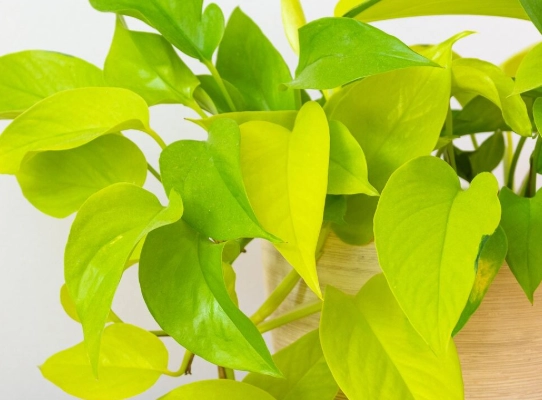
So there you have it. The neon pothos isn't a high-maintenance diva, but giving it the right light and mastering the watering will transform it from a survivor into a showstopper. Pay attention to what it's telling you. That electric green glow is your reward.