Dracaena Marginata Care: The Complete Guide to a Thriving Dragon Tree
Houseplant care
Let's cut to the chase: the Dracaena marginata, or dragon tree, is one of the easiest dramatic houseplants you can own. That tall, architectural shape with spiky green and red-tipped leaves? It screams sophistication but asks for very little in return. I've had mine for over eight years, and it's survived multiple moves, my early overwatering phase (RIP to a few other plants), and even a cat who decided it was a scratching post. It's still here, looking sharp.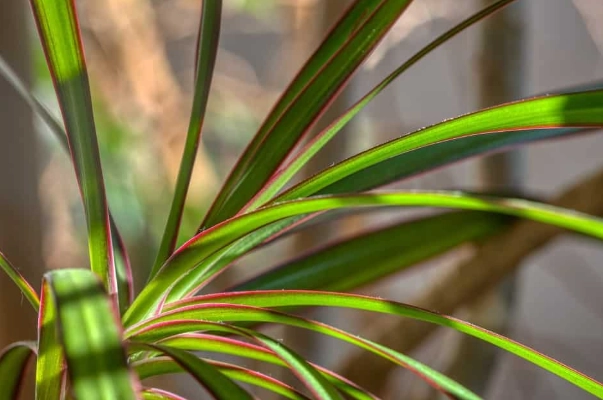
The secret isn't in constant fussing. It's in understanding a few non-negotiable rules and then mostly leaving it alone. Most care guides list the basics, but they often miss the subtle cues the plant gives you or the specific mistakes that slowly weaken it. This guide is what I wish I'd known when I bought my first spindly dragon tree from a big-box store.
What's Inside?
What is a Dracaena Marginata (Dragon Tree)?
Native to Madagascar, the dragon tree is a slow-growing shrub that, in the wild, can become a small tree. Indoors, it's all about vertical lines. It grows on a cane or trunk, with a cluster of long, slender leaves at the top. As it matures, it naturally loses its lower leaves, giving it that iconic palm-tree-like silhouette. This isn't a sign of poor health—it's just how it grows.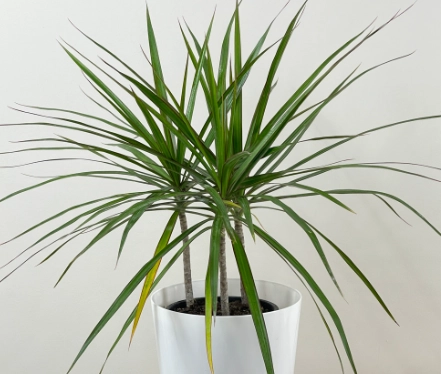
You'll commonly find a few varieties:
- Dracaena marginata: The classic, with dark green leaves and thin red edges.
- Dracaena marginata 'Tricolor': Has leaves with stripes of green, cream, and pink. Slightly more light-hungry.
- Dracaena marginata 'Colorama': Heavily variegated with bold pink stripes, needs the brightest indirect light to maintain color.
It's also famous for being on NASA's Clean Air Study list for removing common household toxins like benzene, formaldehyde, and trichloroethylene. A nice bonus for a plant that's already a visual statement.
Essential Dracaena Marginata Care Guide
Here’s the core of dragon tree care. Get these four elements right, and you're 95% of the way there.
Light: The Bright Indirect Sweet Spot
This is where most generic advice fails. Yes, it tolerates low light. But "tolerates" means it won't die quickly; it means growth stops, colors fade, and the plant becomes weak. For a vibrant, growing dragon tree, bright, indirect light is king.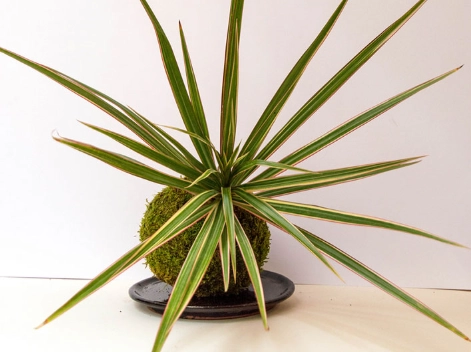
What does that look like? A spot near an east-facing window is perfect. A north-facing window can work if it's bright. With a south or west-facing window, pull it back 3-5 feet or use a sheer curtain to diffuse the harsh afternoon sun. Direct sun, especially through glass, can scorch the leaves, leaving ugly bleached spots.
If the new leaves are coming in much narrower and spaced farther apart on the stem, it's begging for more light.
Watering: The Biggest Killer
Overwatering is the #1 cause of dragon tree death. Their roots are prone to rot in soggy soil. I learned this the hard way with my first one—I treated it like a peace lily and drowned it.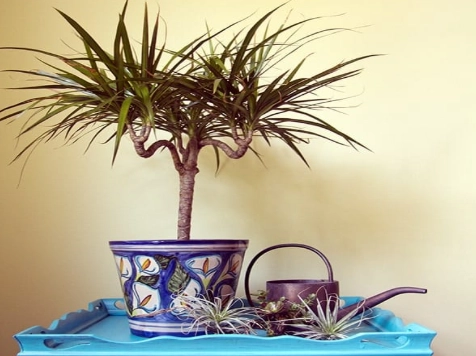
The rule: Water thoroughly, then let the soil dry out almost completely before watering again.
Stick your finger into the soil. If the top 2 inches are bone dry, it's time to check deeper. For most pot sizes, you want the top 50-75% of the soil to be dry. In winter, this might mean watering only once a month. In a bright summer spot, maybe every 10-14 days. Always empty the saucer after 30 minutes so it's not sitting in water.
A moisture meter is a cheap investment that takes the guesswork out.
Soil and Potting: The Foundation
Drainage is everything. Use a well-draining, peat-based potting mix. Many succulent or cactus mixes work well, or you can amend a standard indoor potting mix with perlite or orchid bark (about a 3:1 ratio).
Choose a pot with drainage holes. Always. Terracotta pots are excellent because they wick away excess moisture. Repot only when the plant becomes root-bound (you see roots circling the bottom or emerging from the drainage holes), typically every 2-3 years. Only go up one pot size (1-2 inches wider in diameter).
Temperature and Humidity: Keeping it Comfortable
As mentioned, average home temperatures are fine. Keep it away from cold drafts (like by a leaky window in winter) and direct blasts from heating or AC vents, which can dry out the leaves quickly.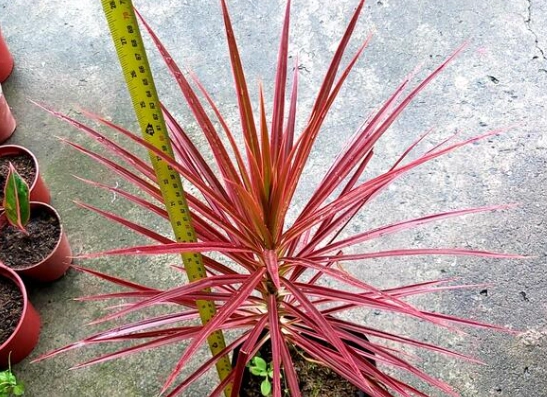
Humidity is the silent factor. While it adapts to average home humidity (around 40%), it truly appreciates more. Low humidity often combines with other factors to cause brown leaf tips.
| Condition | Signs on Your Dragon Tree | Quick Action |
|---|---|---|
| Too Much Direct Sun | Bleached, pale patches or brown, crispy spots on leaves. | Move to a shadier spot immediately. |
| Overwatering (Chronic) | Yellowing leaves, starting at the bottom. Soft, mushy stems. A foul smell from the soil. | Stop watering. Check roots for rot. Repot if necessary. |
| Underwatering | Leaves become dry, brown, and crispy, often starting at the very tips and moving inwards. | Give it a thorough soak. Re-evaluate your watering check routine. |
| Low Humidity + Tap Water | Narrow, crispy brown tips on many leaves. | Switch to filtered/rain water. Group plants or use a humidifier. |
| Too Cold | Curling leaves, sudden leaf drop. | Move to a warmer spot, away from drafts. |
How to Troubleshoot Common Dracaena Marginata Problems
Seeing an issue? Don't panic. Here’s how to decode what your plant is saying.
Brown Leaf Tips: The universal dragon tree complaint. It's rarely just one thing. The usual suspects, in order of likelihood: 1) Chemicals (fluoride/chlorine) in tap water. 2) Low humidity. 3) Underwatering. 4) Salt buildup from fertilizer. Solution: Start by switching to filtered or distilled water. Increase humidity around the plant. Snip off the brown tips with clean scissors, following the natural leaf shape.
Yellowing Leaves: Context matters. A few older, lower leaves turning yellow and dropping over time is normal senescence. Many leaves, especially new growth, turning yellow points to overwatering. Check the soil immediately.
Drooping or Soft Stems: This is a red alert for advanced root rot from overwatering. You may need to take cuttings from healthy upper stems to propagate, as discussed below.
Pests: Spider mites and mealybugs can be occasional visitors, especially in dry air. Look for fine webbing or cottony white masses. Isolate the plant and treat with insecticidal soap or neem oil, making sure to spray the undersides of leaves.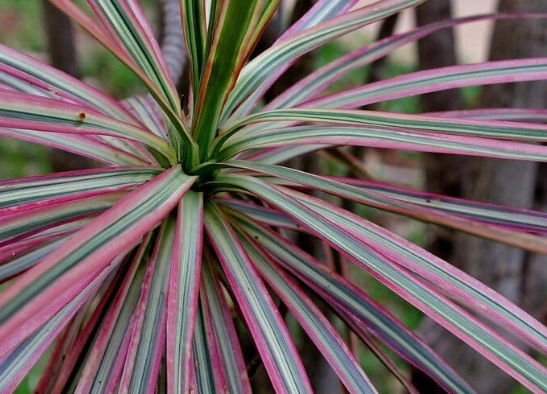
Advanced Care Tips for a Show-Stopping Plant
Once you've mastered the basics, these steps take your dragon tree from "alive" to "spectacular."
Fertilizing: Less is More
These are not heavy feeders. Fertilize sparingly during the active growing season (spring and summer) with a balanced, water-soluble fertilizer diluted to half strength, once a month. Do not fertilize in fall and winter. Over-fertilizing causes salt buildup, which burns the roots and leads to—you guessed it—brown leaf tips.
Pruning and Shaping
This is where you get creative. To control height or encourage branching, simply cut the cane at your desired height using clean, sharp pruning shears. It feels drastic, but it works. Within a few weeks, you should see one to three new growth points (called "heads") emerge just below the cut.
You can also air-layer a tall plant to get a rooted top section and a re-growing base, creating two plants from one.
Propagation: Making More Dragons
It's incredibly easy. Take the stem cutting you pruned off (ensure it's at least 6-8 inches long). You can either:
- Root it in water: Place the cut end in a jar of water. Change the water weekly. Roots should appear in 2-4 weeks. Pot it up once roots are a few inches long.
- Root it in soil: Let the cut end callous over for a day, then plant it in moist, well-draining soil. Keep it slightly moist (not wet) and in bright light.
You can also propagate from the leafless cane sections. Lay a section horizontally on soil, partially bury it, and keep it moist. New shoots will sprout from the nodes.
Your Dragon Tree Questions, Answered
The dragon tree's beauty is in its resilience and simplicity. It doesn't demand daily attention, just a mindful approach to its few key needs. Get the light and water right, listen to what its leaves tell you, and you'll have a striking, architectural companion for years—maybe even decades—to come. Mine has seen me through three apartments and countless life changes, and it's only gotten better with time. Yours can too.