Let's be honest. You bought that Swiss Monstera (or Monstera adansonii, if we're being formal) because of those stunning, hole-riddled leaves. It promised a slice of the jungle for your living room. But now, a few months in, you might be staring at a plant with brown tips, yellowing leaves, or worse—no new holes in sight. I've been there. I've killed one with kindness (overwatering) and another with neglect (low light). It took a few failures to crack the code.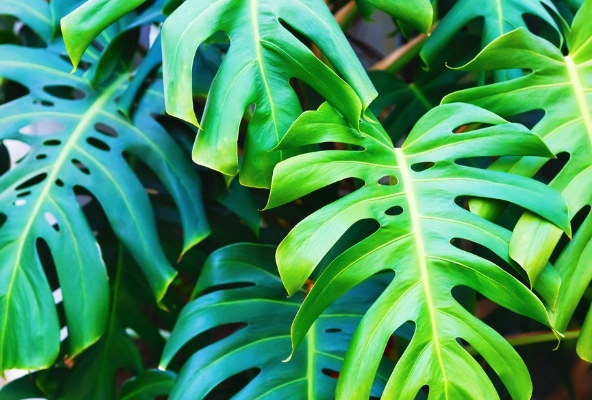
This isn't just another generic care list. This is what I wish I'd known from the start. We're going deep on the why behind each step, so you can understand your plant, not just follow orders.
Your Quick Navigation Map
- What Exactly Is a Swiss Monstera?
- Finding the Perfect Light: The Hole Maker
- Watering: The #1 Killer (And How to Avoid It)
- Soil & Food: Building a Strong Foundation
- Humidity & Temperature: Recreating the Tropics
- Pruning & Propagation: Making More Plants
- Troubleshooting: Reading the Leaves
- Your Swiss Monstera Questions, Answered
What Exactly Is a Swiss Monstera?
First, a quick ID. "Swiss Monstera" or "Swiss Cheese Plant" usually refers to Monstera adansonii. It's the cousin of the larger, split-leaf Monstera deliciosa. Adansonii has smaller, more elongated leaves with those iconic oval-shaped holes (fenestrations) inside the leaf margin, not splits along the edge. It's a vining plant, meaning it loves to trail or climb.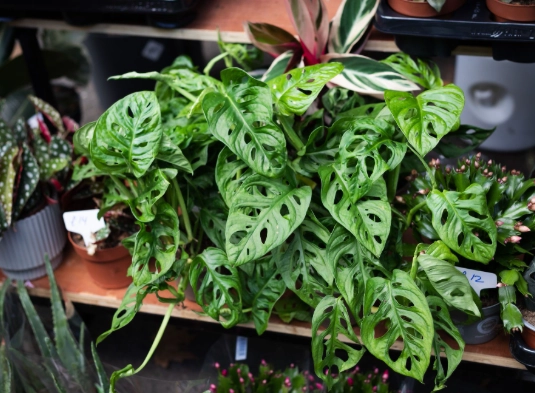
Here's a subtle point most guides miss: there's variation within the species. Some forms have wider, rounder leaves with more holes; others are narrower. Don't panic if yours doesn't look exactly like the Instagram star—it might just be a different form. The care is the same.
Quick Fact Check: According to the American Horticultural Society's A-Z Encyclopedia of Garden Plants, Monsteras are aroids, part of the Araceae family. They're native to the rainforests of Central and South America, which explains their love for humidity and filtered light.
Finding the Perfect Light: The Hole Maker
Light is the magic ingredient for those holes. No holes? It's a light issue 90% of the time.
Bright, indirect light is the mantra. Think of the dappled light under a jungle canopy. An east-facing window is gold. A north-facing window can work if it's bright. A few feet back from a south or west window is perfect—direct sun through glass will scorch the leaves, leaving pale, crispy patches.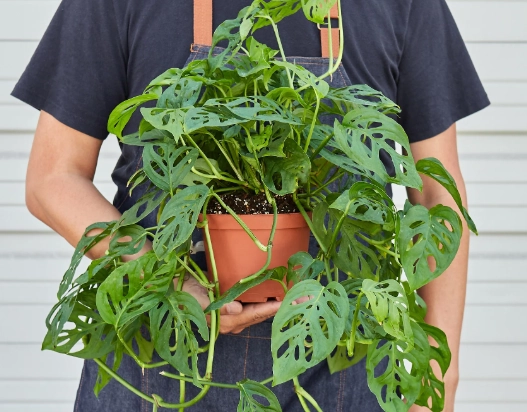
Signs Your Light is Wrong
Too little light: New leaves are small, solid (no holes), and the stems stretch out awkwardly with large gaps between leaves. Growth is painfully slow.
Too much light: Leaves look faded, washed out, or develop crispy, brown scorch marks. The plant may seem to wilt even when the soil is moist.
I made the mistake of putting my first one in a "bright corner" that was actually quite dim. It survived for a year without a single new hole. Moved it to an east window, and bam—the next leaf had three.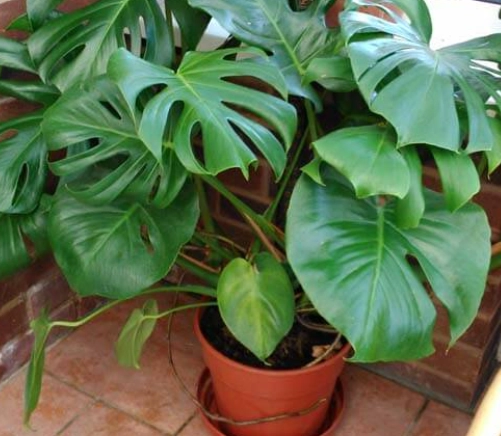
Watering: The #1 Killer (And How to Avoid It)
This is where most Swiss Monsteras meet their end. The biggest mistake isn't underwatering—it's overwatering with good intentions.
Forget watering every Sunday. Your plant doesn't care what day it is. It cares about soil moisture.
The Finger Test Method (The Only One You Need)
- Stick your finger into the soil, up to your second knuckle (about 2-3 inches deep).
- If the soil at that depth feels dry, it's time to water.
- If it feels even slightly damp or cool, wait. Check again in 2-3 days.
When you do water, do it properly. Take the plant to the sink and water slowly until you see a steady stream run out of the drainage holes. This ensures the entire root ball gets hydrated. Let it drain completely before putting it back in its decorative pot. Never let it sit in a saucer of water.
The Hidden Trap: The top inch of soil dries fast, making you think the plant is thirsty. But below, it can be a swamp. Watering based on the surface is a fast track to root rot. Always check deep.
Soil & Food: Building a Strong Foundation
Your potting mix is your plant's home. A dense, moisture-retentive soil (like many all-purpose mixes) holds too much water for Monstera roots. They need air as much as they need moisture.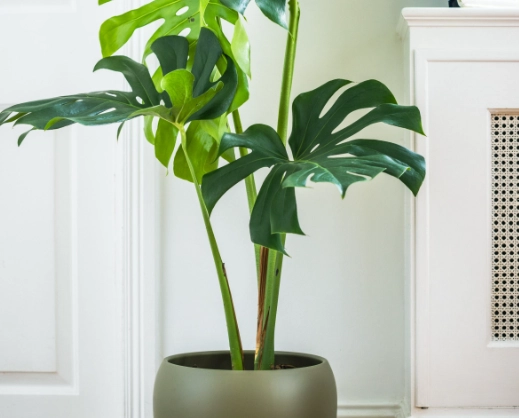
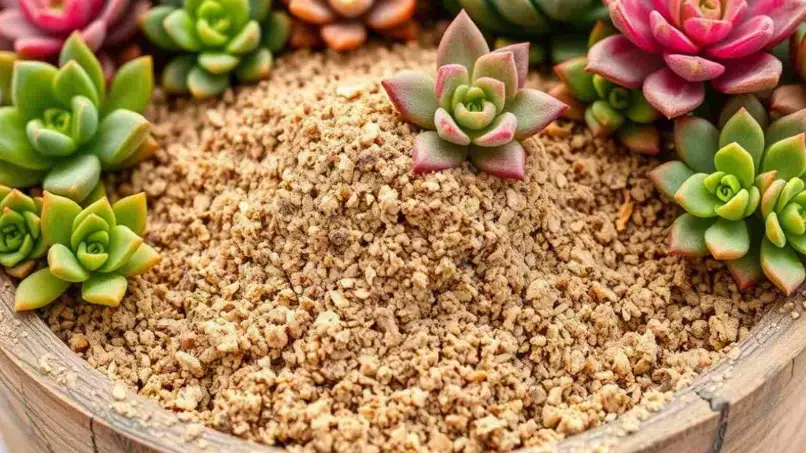
The ideal mix is chunky and well-draining. Here's a simple recipe you can mix yourself:
- 50% high-quality potting soil
- 30% orchid bark or coconut husk chips (for chunkiness and aeration)
- 20% perlite or pumice (for drainage)
This creates an airy structure that mimics the leaf litter and debris of the forest floor.
Feeding for Growth
During the growing season (spring and summer), feed your plant once a month with a balanced, water-soluble fertilizer diluted to half strength. A 10-10-10 or 20-20-20 formula works well. In fall and winter, stop feeding. The plant is resting, and fertilizer can burn the roots.
I made the error of using a "hot" fertilizer at full strength on a stressed plant once. The leaf tips burned within days. Half-strength is always safer.
Humidity & Temperature: Recreating the Tropics
Monstera adansonii prefers humidity above 50%. Average home humidity (around 30-40%) is often tolerated, but not loved. Low humidity is the primary cause of those annoying crispy brown leaf tips.
How to boost humidity:
- Humidifier: The most effective solution. Place it nearby.
- Pebble Tray: Fill a tray with pebbles and water, set the pot on top (not in the water).
- Grouping: Cluster plants together. They create a microclimate.
Misting? It provides a temporary boost but can promote fungal issues if overdone. I don't recommend it as a primary strategy.
Keep temperatures between 65-80°F (18-27°C). Avoid cold drafts from windows or doors in winter, and keep it away from heating and AC vents.
Pruning & Propagation: Making More Plants
Pruning isn't just for looks. It encourages bushier growth. See a long, leggy vine with few leaves? Cut it back to a node (the bump on the stem where a leaf attaches). New growth will emerge from that point.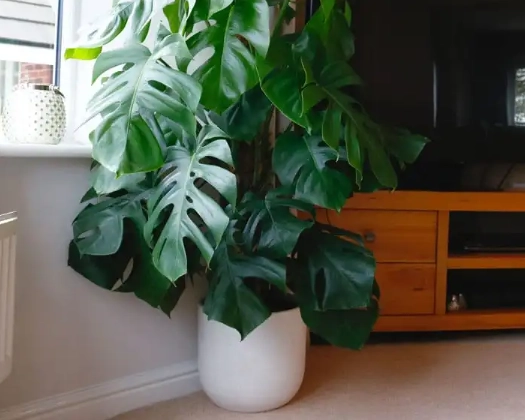
Now, the fun part—propagation. Those cuttings you just took? Turn them into new plants.
Water Propagation (The Easiest Method)
- Take a cutting with at least one node and one leaf. The node is where roots will grow.
- Place the cutting in a jar of water, ensuring the node is submerged but the leaf is not.
- Change the water every few days to keep it fresh.
- In 2-6 weeks, you'll see white roots sprouting from the node.
- Once the roots are a few inches long, pot the cutting in the chunky soil mix described above.
It's that simple. I have a dedicated "propagation station" on my kitchen windowsill—it's a constant source of new plants for gifts.
Troubleshooting: Reading the Leaves
Your plant talks to you through its leaves. Here's the translation guide.
- Yellow leaves: Usually overwatering. Check your soil moisture habits. Could also be a natural process of an old leaf dying.
- Brown, crispy tips: Low humidity. See the section above.
- Brown spots/patches in the middle of the leaf: Often a fungal issue from water sitting on leaves or overly wet soil. Improve air circulation and avoid splashing leaves.
- Pale, bleached leaves: Too much direct sun.
- Small, solid leaves: Not enough light.
- Wilting with wet soil: Root rot from overwatering. You may need to unpot, check roots (cut away any black, mushy ones), and repot in fresh, dry mix.
Your Swiss Monstera Questions, Answered
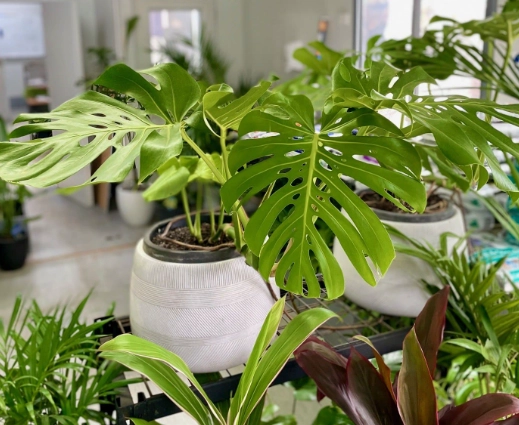
The key with a Swiss Monstera is observation and adjustment. Start with these principles—the right light, disciplined watering, and airy soil—and then watch how your plant responds. It's a partnership. Give it what it needs, and it will reward you with that breathtaking, holey jungle vibe you wanted in the first place. Good luck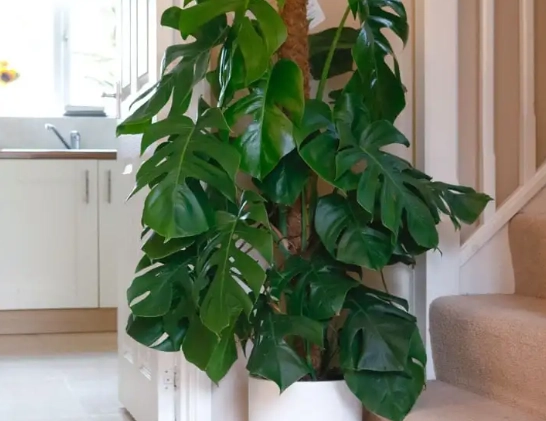


Comments