Madagascar Dragon Tree Care: The Ultimate Guide to a Thriving Dracaena
Houseplant care
Let's be honest. You probably bought that Madagascar dragon tree (Dracaena marginata) because it looked stunning in the store – all architectural and elegant with its slender trunk and spiky green leaves edged in red. It screamed "low-maintenance statement plant." But now, a few months in, you might be staring at a few brown leaf tips, wondering if you're about to become a plant killer.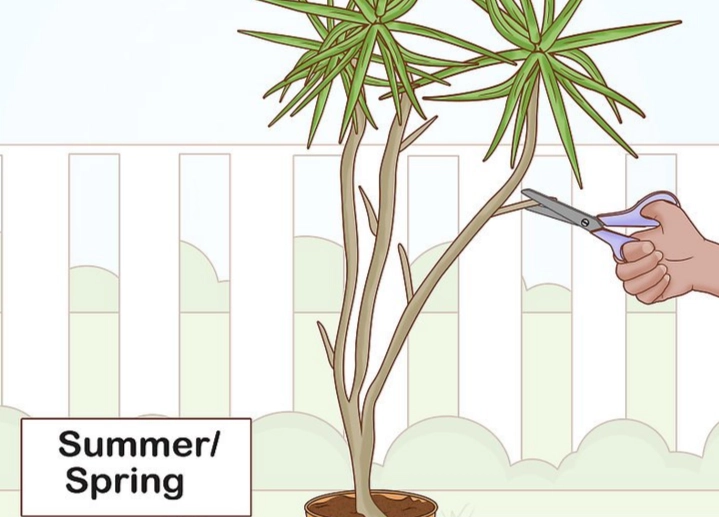
Relax. You're not alone. I've killed my share of plants too, especially when I started. The truth is, the dragon tree isn't fussy, but it has a few non-negotiable needs that, if ignored, lead to a slow, sad decline. Get them right, and this plant is practically bulletproof, living for decades and growing into a magnificent indoor tree.
What's Inside This Guide?
This guide isn't just a list of instructions. It's based on 10 years of keeping these plants alive in less-than-ideal apartments, offices, and corners. We'll cover the basics, sure, but I'll point out the subtle mistakes almost everyone makes – the ones that separate a surviving plant from a truly thriving one.
Light: The Cornerstone of Good Care
This is the biggest make-or-break factor. Get light wrong, and nothing else matters.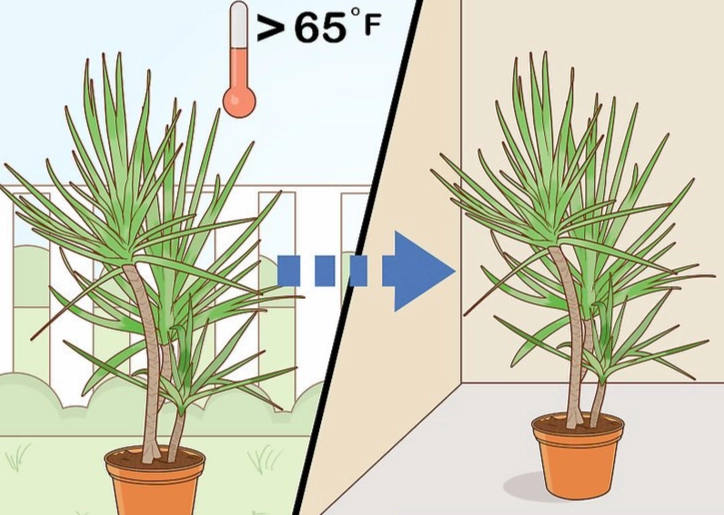
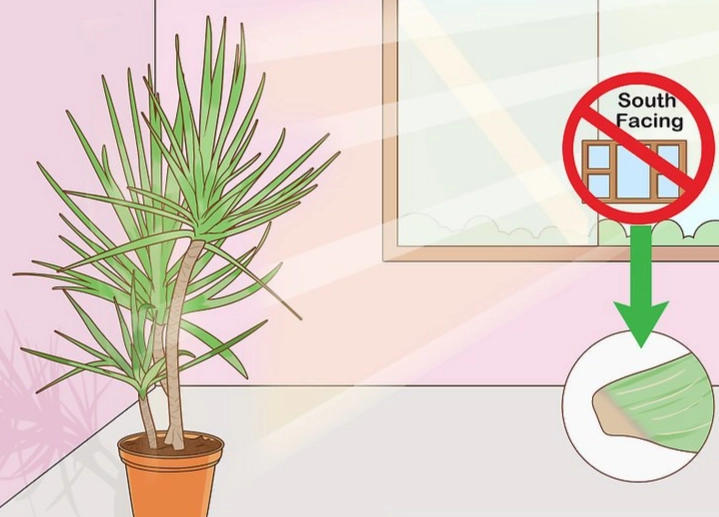
Bright, indirect light is the sweet spot. Think of a spot near an east or west-facing window, where the plant gets plenty of gentle morning or afternoon sun but is shielded from the harsh midday rays. A north-facing window can work if it's unobstructed. A south-facing window? You'll need to pull the plant back a few feet or use a sheer curtain as a filter.
What about low light? The dragon tree is often marketed as "low-light tolerant." That's a half-truth. It will survive in lower light – a north-facing room or several feet from a window – but it won't thrive. Growth will be painfully slow, the leaves will be spaced further apart (getting "leggy"), and the lower leaves will yellow and drop more frequently as the plant redirects energy to the top.
If your only option is lower light, adjust your expectations. Water much less frequently (since the plant uses less energy), and don't expect rapid growth.
Watering: The Art of Neglect
If light is the most important factor, watering is the one most people get wrong. Overwatering is the number one killer of indoor plants, and Dracaena marginata is no exception.
Here's the golden rule: Water deeply, then let the soil dry out almost completely.
I don't mean just the surface. I mean stick your finger into the soil up to your second knuckle (about 2-3 inches). If it feels at all damp, walk away. Wait.
How to Water Correctly
- Check the soil before even thinking about watering.
- When dry, take the plant to the sink (or use a watering can with a long spout).
- Water slowly and evenly around the base until water runs freely out of the drainage holes. This ensures the entire root ball gets moisture.
- Let it drain completely. Never let the plant sit in a saucer of water. Empty it after 30 minutes.
How often will this be? It depends. In bright summer light with warm temperatures, you might water every 7-10 days. In a low-light winter setting, it could be every 4-6 weeks. The plant's native Madagascar has periods of drought, so it's built to handle dry spells. When in doubt, wait another few days.
I learned this the hard way. I had a beautiful, tall marginata that started dropping leaves from the bottom. I thought it needed more water. I gave it more. It dropped more leaves. By the time I pulled it out of the pot, the roots were mush. I had to chop it up and propagate the healthy top. Now, I err on the side of underwatering.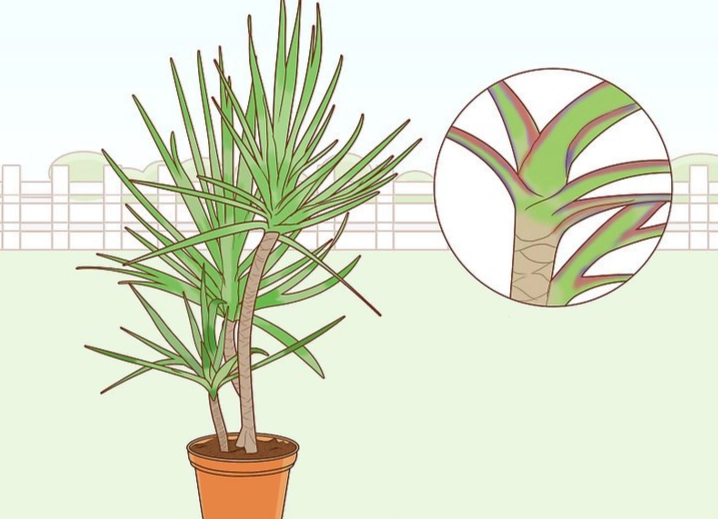
Soil and Feeding: The Foundation
Soil Mix: Drainage is Key
Your dragon tree needs a loose, airy potting mix that drains quickly. Standard garden soil or dense potting mixes hold too much moisture.
A good basic mix is two parts regular potting soil to one part perlite or coarse sand. You can also add some orchid bark for extra chunkiness. Many cactus or succulent mixes work well too, as they're designed for drainage.
Fertilizer: Less is More
These are not heavy feeders. In fact, over-fertilizing can burn the roots and cause leaf tip burn.
- When: Only during the active growing season (spring and summer).
- How much: Use a balanced, water-soluble fertilizer (like a 10-10-10 or 20-20-20) diluted to half the recommended strength.
- How often: Once a month is plenty. Every other month is fine if you forget.
Stop fertilizing completely in fall and winter. The plant is resting, and extra nutrients just sit in the soil and can cause harm.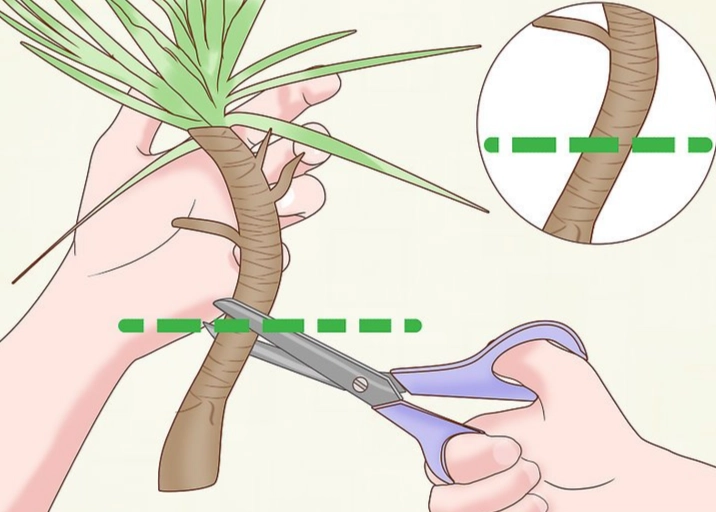
Temperature & Humidity: The Environment
Temperature
Easy. Your comfortable room temperature is its comfortable temperature. Aim for 65-80°F (18-27°C). Avoid cold drafts from windows or doors in winter, and keep it away from hot air vents or radiators.
Humidity
This is where brown leaf tips often come from. Average home humidity (30-40%) is tolerable, but 40-50% is ideal.
If your air is dry (especially in winter with heating), you can:
- Group plants together: They create a little microclimate of shared transpiration.
- Use a pebble tray: Fill a tray with pebbles and water, place the pot on top (not in the water). As the water evaporates, it increases humidity around the plant.
- Mist occasionally: It's a temporary boost, but it helps. Do it in the morning so leaves dry by nightfall.
- Use a humidifier: The most effective solution, and your other plants (and your skin) will thank you too.
Pruning & Propagation: Control and Multiply
Pruning: Don't Be Afraid to Cut
Your plant will eventually get tall or leggy. Pruning is how you control its shape and encourage bushier growth.
See that bare stem with a tuft of leaves on top? You can cut it right back. Use clean, sharp pruners or a knife. Cut the stem at your desired height. New growth (usually two or three new shoots) will emerge from just below the cut point within a few weeks.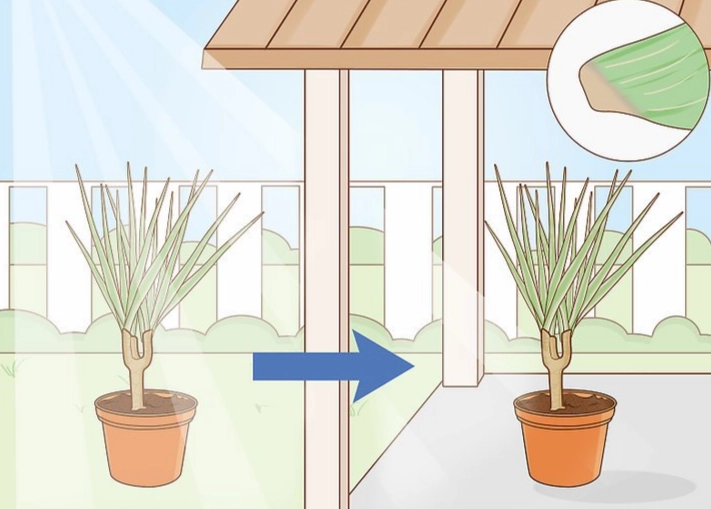
Propagation: Turn One Plant into Many
That piece you just cut off? Don't throw it away! You can propagate it.
Method 1: Stem Cutting in Water
- Take your cutting (at least 6 inches long).
- Remove the lower leaves, leaving a few at the top.
- Place the cut end in a jar of water. Change the water weekly.
- In a few weeks, you'll see white roots forming. Once they're an inch or two long, pot it up in soil.
Method 2: Stem Section Propagation
This is cool. You can lay a section of stem (with nodes) horizontally on moist soil or sphagnum moss. Keep it humid, and new shoots will sprout from the nodes. It's like a plant factory.
Troubleshooting Common Issues
Here’s a quick-reference table to diagnose problems:
| Symptom | Likely Cause | Solution |
|---|---|---|
| Brown, crispy leaf tips | Low humidity, tap water chemicals (fluoride/chlorine), or underwatering | Use filtered/rainwater, increase humidity, check soil moisture |
| Yellowing leaves (especially lower ones) | Natural aging, overwatering, or low light | Check soil moisture. If soggy, repot. Ensure adequate light. |
| Brown, soft spots on leaves | Overwatering leading to root rot | Stop watering! Check roots. Repot in fresh, dry soil if necessary. |
| Leaves losing color/variegation | Too little light | Move to a brighter location. |
| Webbing on leaves, tiny moving dots | Spider mites (thrive in dry air) | Wipe leaves with damp cloth, spray with insecticidal soap or neem oil, increase humidity. |
Advanced Tips and Common Mistakes
Let's go beyond the basics. Here are some insights you won't find in every care guide.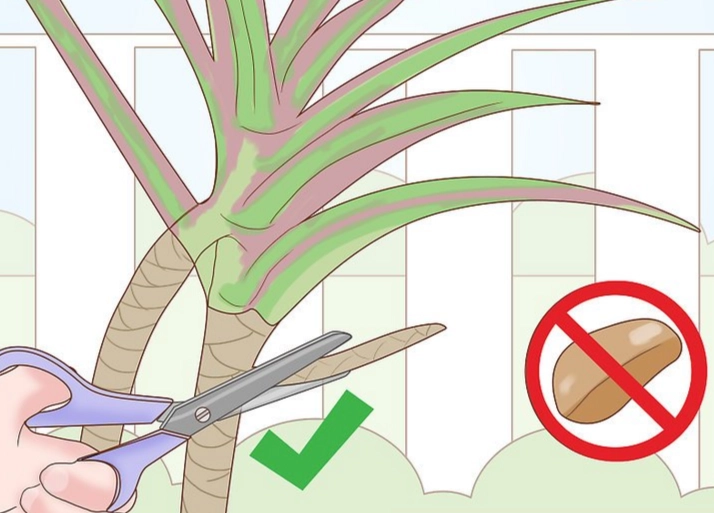
Dracaenas are sensitive to fluoride and chlorine, common in tap water. This accumulates in the leaf tips and causes browning. If you can't use rainwater or distilled water, fill your watering can and let it sit out overnight. This allows some chlorine to dissipate. For fluoride, it's harder, so filtering is better.
Repot only when necessary – when roots are circling the bottom of the pot or growing out of drainage holes. Spring is the best time. Choose a pot only 1-2 inches larger in diameter. Too big a pot means too much soil holding moisture, risking root rot. Ensure the new pot has drainage holes. Always use fresh potting mix.
It's normal for a dragon tree to lose its oldest, lower leaves over time, revealing more of its beautiful trunk. This is how it grows tree-like. Don't panic if you see a yellow leaf at the bottom now and then. But if multiple leaves are yellowing or dropping from various levels, it's a sign of stress (usually water or light-related).
People treat their dragon tree like a pet that needs constant attention. They water it weekly because they love it. They move it around the house trying to find the "perfect" spot. This constant change and over-care stresses the plant. Find a good spot with appropriate light, and then mostly leave it alone. Check the soil, water when dry, and wipe the leaves occasionally to keep them dust-free for photosynthesis. That's it. Be a plant observer, not a constant tinkerer.
Follow these guidelines, and your Madagascar dragon tree will reward you with years of resilient, architectural beauty. It might even become the centerpiece of your indoor jungle. Remember, it's a survivor from a harsh climate. A little tough love goes a long way.