So you brought home a pink aglaonema, lured by those stunning pink and green leaves. It looked perfect at the store. Now, a few weeks in, you might notice the pink isn't as vibrant, or a leaf is turning yellow at the edge. I've been there. I've killed my share of Chinese evergreens (that's their common name) before figuring out their quiet language. This isn't just another generic care sheet. This is a deep dive from someone who's learned, often the hard way, how to make these plants not just live, but flourish with color that turns heads.
The pink aglaonema is more than a pretty face. It's a surprisingly tough plant that thrives on neglect—the right kind of neglect. Most guides tell you it's easy. They're right, but they skip the nuances that separate a surviving plant from a spectacular one. Let's fix that.
What's Inside?
The Light Secret for Maximum Pink
Here's the first non-consensus tip: bright, indirect light is not just a suggestion for pink varieties, it's a color requirement. The classic green Aglaonema 'Silver Bay' can handle very low light. Your pink 'Siam Aurora' or 'Pink Dalmatian' cannot if you want that pink to pop.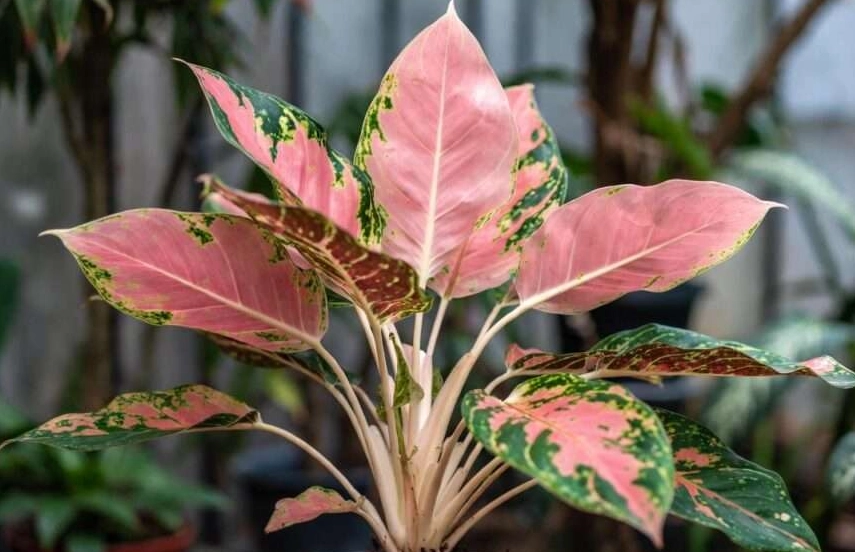
Think of light as the plant's food for making pigment. Low light equals less food, leading to greener, smaller leaves. The new growth will be disappointing.
Watch the leaves. They'll tell you everything.
- Leaves stretching, leaning hard towards the light, and new growth is mostly green: It's begging for more lumens.
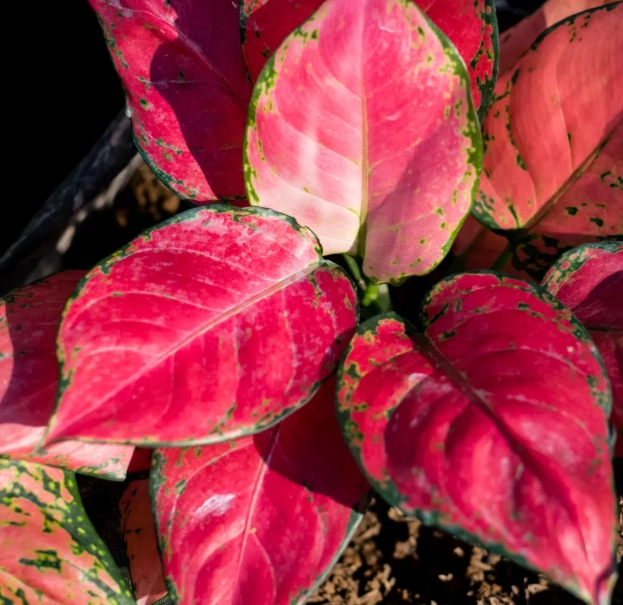
- Brown, crispy patches or bleached, washed-out pink on the leaves: Too much direct sun. It's getting scorched.
Avoiding the #1 Watering Mistake
Overwatering. It's the killer of 90% of houseplants, and aglaonemas are prime targets because they're marketed as "low-maintenance." People equate that with "frequent sips of water." Wrong.
These plants have substantial root systems that prefer to dry out a bit between drinks. The goal is to mimic a tropical downpour followed by a period of dryness.
Forget the schedule. Don't water every Tuesday. Your home's humidity, temperature, pot size, and soil mix change how fast the soil dries.
How to Water Correctly: The Finger Test & Pot Lift
Stick your finger into the soil up to the second knuckle (about 2 inches). If it feels dry, water thoroughly. If it's still damp, wait. For a more advanced check, lift the pot. A dry pot is significantly lighter than a watered one. You'll learn the weight difference quickly.
When you water, do it properly. Take it to the sink and pour water slowly until it runs freely out of the drainage holes. Let it drain completely. Never let it sit in a saucer of water. That's a one-way ticket to root rot.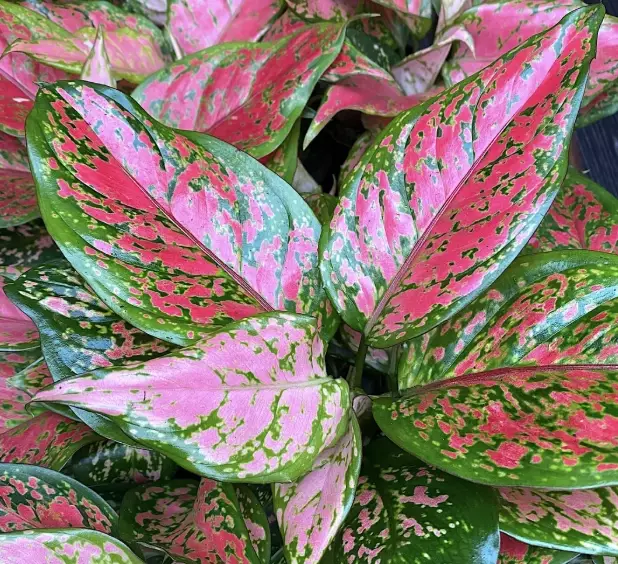
Soil, Pots, and When to Repot
Aglaonemas need air around their roots. A dense, moisture-retentive potting soil from the big box store will compact and suffocate them over time.
I make my own mix: 50% standard indoor potting soil, 30% perlite or pumice, and 20% orchid bark. The perlite and bark create crucial air pockets and improve drainage dramatically. If you buy a mix, look for an "aroid mix" or add a handful of perlite to a regular potting mix.
The Repotting Conversation
These plants like to be slightly root-bound. Don't rush to repot every year. Repot when you see one of these signs:
- Roots are visibly growing out of the drainage holes.
- The plant dries out suspiciously fast (like in 2-3 days) because it's all roots and no soil.
- Growth has completely stalled for a long time.
When you do repot, only go up one pot size (1-2 inches larger in diameter). A pot that's too big holds too much wet soil, risking root rot. Always use a pot with drainage holes. Terracotta is excellent because it wicks away moisture.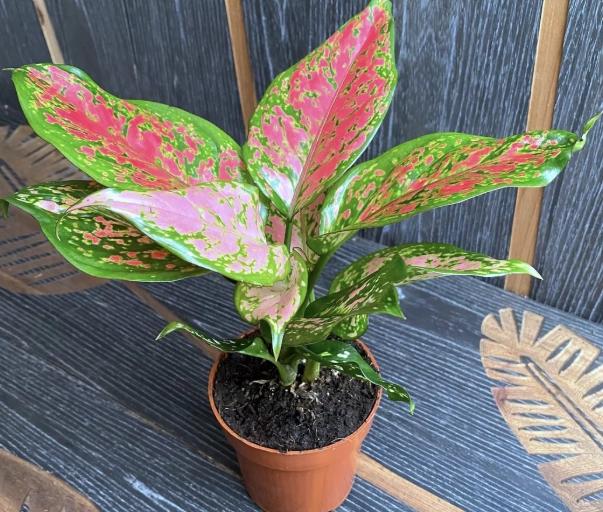
Temperature, Humidity & Fertilizing
Pink aglaonemas are tropical but adaptable. They prefer what you prefer: room temperature between 65-80°F (18-27°C). Keep them away from cold drafts (air conditioners, drafty windows in winter) and direct heat sources (radiators, heating vents). A sudden chill can cause leaf drop.
Humidity is where I see subtle stress signs. They enjoy 40-60% humidity but tolerate lower. If your home is very dry (common with central heating), you might see brown, crispy leaf tips. This is more cosmetic than deadly.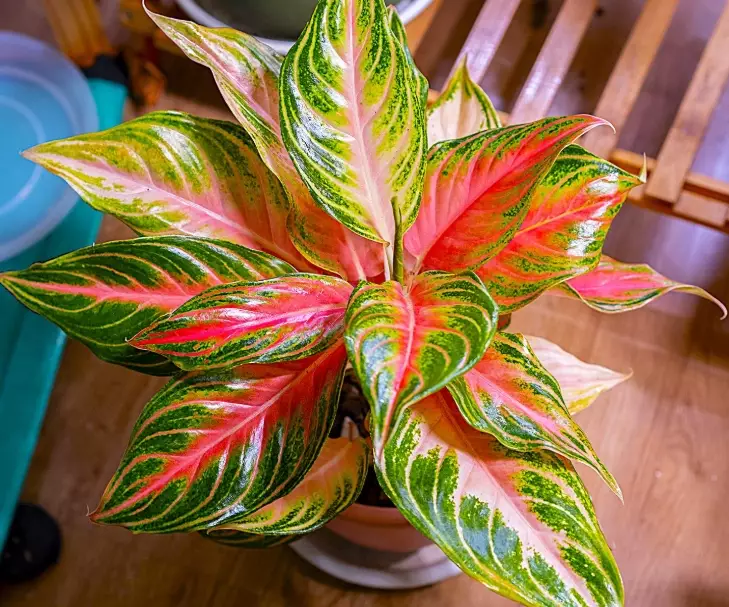
| Problem | Likely Cause | Quick Fix |
|---|---|---|
| Brown crispy leaf tips | Low humidity or mineral buildup from tap water. | Use filtered/rain water. Group plants together. Consider a humidifier. |
| Curling leaves | Usually underwatering or very low humidity. | Check soil moisture. Increase ambient humidity. |
| Drooping stems | Could be overwatering (mushy) or underwatering (dry and crispy). | Feel the soil and stems to diagnose. |
Feeding for Foliage
Fertilize lightly during the active growing season (spring and summer). I use a balanced, water-soluble fertilizer (like a 10-10-10 or 20-20-20) diluted to half the recommended strength, once a month. In fall and winter, stop fertilizing. The plant is resting. Over-fertilizing leads to salt buildup in the soil, which can burn roots and show as brown edges on leaves.
Pruning and Propagating Your Plant
Pruning is simple. Use clean, sharp scissors to cut off any yellow or damaged leaves at the base of the stem. To encourage a bushier plant, you can trim the very top of a stem. This often prompts growth from nodes further down.
Propagation is incredibly easy and a great way to share your plant. The most reliable method is stem cuttings in water.
- Cut a stem piece that has at least 2-3 nodes (the little bumps on the stem).
- Remove any leaves from the bottom node or two.
- Place the cutting in a glass of water, ensuring at least one node is submerged.
- Put it in bright, indirect light. Change the water weekly.
- In 2-6 weeks, you'll see roots. Wait until they're a couple inches long before potting in soil.
You can also divide a mature, multi-stemmed plant when you repot it. Gently pull or cut the root ball apart into sections, making sure each section has roots and stems.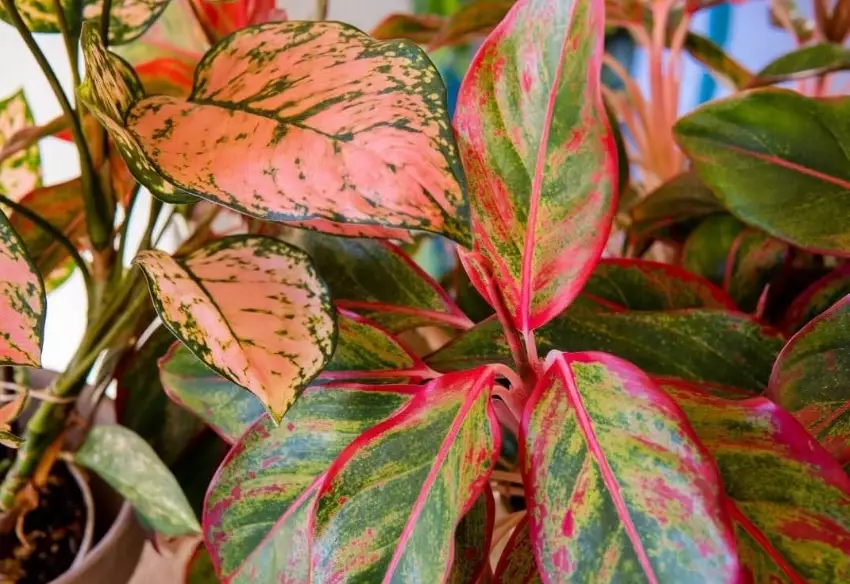
Solving Common Pink Aglaonema Problems
Let's diagnose the common issues. This table is your cheat sheet.
| Symptom | Probable Cause | Solution |
|---|---|---|
| Leaves losing pink color, turning green | Insufficient light. | Gradually move to a brighter location (no direct sun). |
| Yellowing leaves (lower, older ones) | Natural aging or overwatering. | If it's one leaf occasionally, it's normal. If many, check watering. |
| Brown, mushy stems | Root rot from chronic overwatering. | Unpot, cut away black/mushy roots, repot in fresh, dry mix. Water sparingly. |
| Brown, dry leaf edges/tips | Low humidity, fluoride/chlorine in tap water, or fertilizer burn. | Switch to filtered/rain water. Flush soil occasionally. Increase humidity. |
| Pests (mealybugs, spider mites) | Stress or introduced from another plant. | Isolate. Wipe with alcohol-dipped cotton swab (mealybugs) or spray with insecticidal soap/neem oil. |
Your Questions, Answered (FAQ)
My pink aglaonema's new leaves are coming in almost completely green. Is the plant reverting?
Can I put my pink Chinese evergreen in a bathroom with no window?
Are pink aglaonemas toxic to pets?
How fast do they grow?
What's the difference between 'Siam Aurora', 'Pink Dalmatian', and other pink varieties?


Comments