Quick Jump to What Matters
I remember buying my first foxtail fern from a local nursery. It looked so fluffy and green, like a little green fox tail—hence the name. But within a month, the tips turned brown, and I panicked. Was it dying? Turns out, I was making classic mistakes that most beginners do. After years of trial and error (and yes, killing a few plants), I've figured out the secrets to keeping foxtail ferns not just alive, but thriving. This guide is my way of saving you from the same headaches.
Foxtail fern, scientifically called Asparagus densiflorus 'Meyersii', isn't a true fern. It's part of the asparagus family, native to South Africa. That's key because its care is different from ferns like Boston or maidenhair. People love it for its arching, needle-like stems that can grow up to 2 feet long, adding a touch of wild elegance to indoor spaces. But to get that lush look, you need to nail the basics.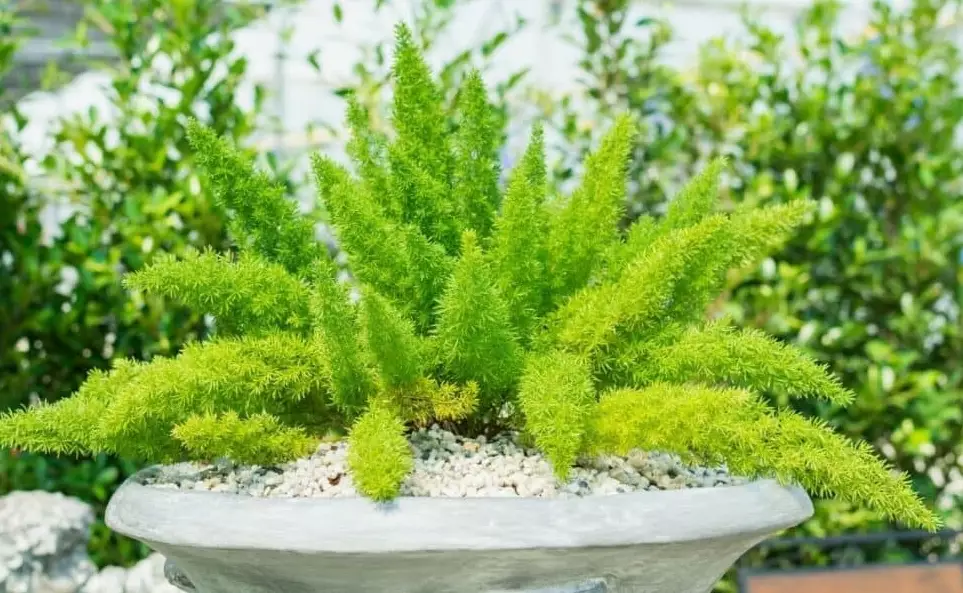
What is a Foxtail Fern?
Let's bust a myth right away: the foxtail fern isn't a fern at all. It's a perennial plant, and those "fronds" are actually modified stems called cladodes. This means it's more drought-tolerant than true ferns, but also more sensitive to overwatering. I learned this the hard way when I treated mine like a typical fern and ended up with root rot.
Why is it so popular? For starters, it's evergreen, so you get year-round greenery without the fuss of seasonal changes. It's also relatively low-maintenance once you understand its quirks. The plant can be grown indoors or outdoors in warm climates (USDA zones 9-11), but indoors is where most of us keep it. According to the Royal Horticultural Society, it's praised for its ornamental value and air-purifying qualities, though I'd say the air-purifying bit is a bonus—don't rely on it alone.
One thing I wish someone told me: foxtail ferns can be slow growers initially. If your plant seems stagnant, don't worry—it's probably just settling in. Mine took about three months to show new growth after I repotted it.
How to Care for Your Foxtail Fern
Getting the care right isn't rocket science, but it does require attention to detail. Here's a breakdown based on my experience and research from sources like the University of Florida IFAS Extension.
Light Requirements
Foxtail ferns crave bright, indirect light. Think of a spot near an east-facing window where it gets morning sun but avoids harsh afternoon rays. Direct sun can scorch the leaves, turning them yellow or brown. I made this mistake early on—placed mine on a south-facing sill, and within days, the tips were crispy. Now, I keep it about 3 feet from a west window, and it's much happier.
If your home is dark, consider using a grow light. LED grow lights are energy-efficient and work well; aim for 12-14 hours of light per day. I use a simple clip-on light from a brand like GE, and it's made a huge difference in winter.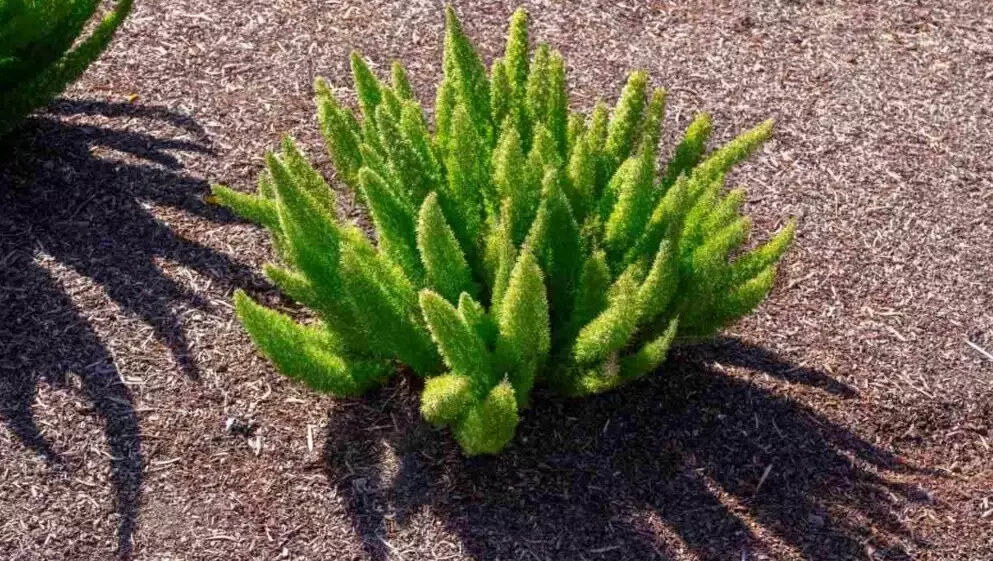
Watering Schedule
This is the biggest killer of foxtail ferns. They like to dry out slightly between waterings. Stick your finger about an inch into the soil; if it feels dry, it's time to water. In general, during spring and summer, I water mine once a week. In winter, I cut back to every 10-14 days. But here's a tip: use room-temperature water to avoid shocking the roots.
Overwatering leads to root rot, which is often fatal. My first fern turned mushy at the base because I kept the soil soggy. If you're unsure, err on the side of underwatering—these plants are more forgiving of drought than flood.
Pro Tip: Use a moisture meter if you're a serial overwaterer. I got one for $10 online, and it takes the guesswork out. Foxtail ferns prefer soil moisture around level 3-4 on a scale of 1-10.
Soil and Potting
Well-draining soil is non-negotiable. I use a cactus or succulent mix, or make my own by combining potting soil with 30% perlite or coarse sand. Ensure the pot has drainage holes—terra cotta pots are great because they breathe, reducing the risk of waterlogging.
Repot every 2-3 years in spring. Choose a pot only 1-2 inches larger in diameter; too big, and the soil stays wet too long. When repotting, gently loosen the roots and add fresh soil. I repotted mine last year, and it perked up within weeks.
Temperature and Humidity
Foxtail ferns thrive in temperatures between 65-75°F (18-24°C). They can tolerate dips to 50°F, but avoid frost. Keep them away from drafts, like near air conditioners or heaters. Humidity-wise, they do fine in average home humidity (around 40-50%), but if your air is dry, mist the leaves occasionally or use a humidifier. I live in a dry area, and misting twice a week helps prevent brown tips.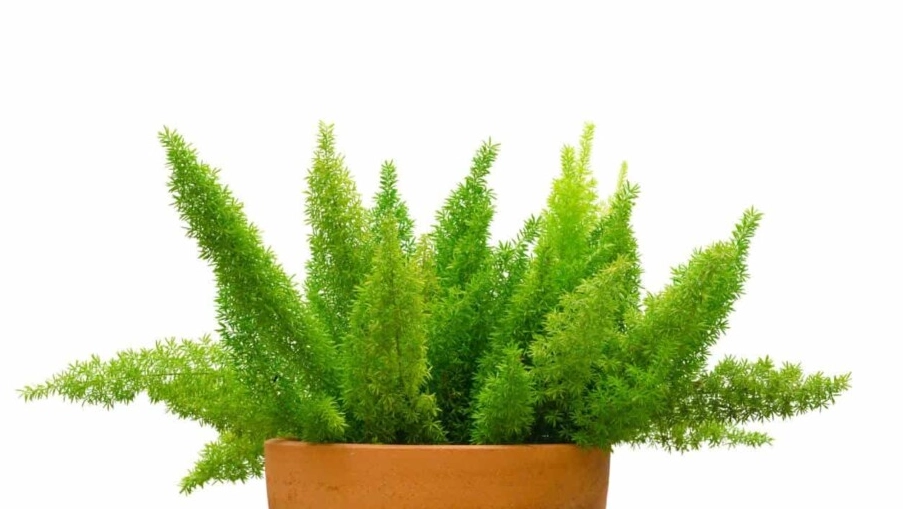
Fertilizing Tips
Feed your foxtail fern during the growing season (spring to early fall) with a balanced, water-soluble fertilizer diluted to half strength. I use a 10-10-10 formula monthly. In fall and winter, stop fertilizing—the plant goes dormant, and extra nutrients can harm it.
Some gardeners recommend organic options like compost tea, but I find synthetic fertilizers easier to control. Just don't overdo it; too much fertilizer causes salt buildup, leading to brown leaf tips.
Common Problems and How to Fix Them
Even with perfect care, issues pop up. Here's a table summarizing common problems and solutions based on my experience and advice from plant forums.
| Problem | Likely Cause | Quick Fix |
|---|---|---|
| Brown tips on leaves | Underwatering, low humidity, or fertilizer salt buildup | Increase watering slightly, mist leaves, flush soil with water every 3 months |
| Yellow leaves or stems | Overwatering or poor drainage | Check roots for rot, repot in dry soil, reduce watering frequency |
| Leggy growth with sparse stems | Insufficient light | Move to a brighter spot or add a grow light; prune back leggy stems |
| Pests (e.g., spider mites, mealybugs) | Dry conditions or infested nearby plants | Wipe with soapy water, use neem oil, increase humidity |
| No new growth | Dormancy in winter or need for fertilizer | Be patient in cold months; in growing season, fertilize lightly |
I had a spider mite infestation once—tiny webs on the stems. I wiped the plant down with a damp cloth and sprayed insecticidal soap. It took a few weeks, but the mites were gone. Regular inspection is key; I check my plants every Sunday.
Honestly, foxtail ferns can be finicky if you ignore their signals. But once you dial in the care, they're surprisingly resilient. My current plant has survived a cross-country move and still looks great.
Propagating Foxtail Fern: Step-by-Step
Want more plants for free? Propagation is straightforward through division. I've done this several times to share with friends. Here's my method:
Step 1: Timing – Do it in spring when the plant is actively growing. I tried in fall once, and the divisions struggled.
Step 2: Preparation – Water the plant a day before to loosen the soil. Gently remove it from the pot and shake off excess soil.
Step 3: Division – Look for natural clumps in the root ball. Use a clean, sharp knife to separate sections, ensuring each has roots and at least a few stems. I aim for pieces about 4-6 inches across.
Step 4: Potting – Plant each division in a small pot with fresh, well-draining soil. Water lightly to settle the roots.
Step 5: Aftercare – Place in bright, indirect light and keep the soil slightly moist. New growth should appear in 4-6 weeks. Don't fertilize for the first month.
Propagation can feel intimidating, but it's rewarding. My first successful division gave me a plant that's now thriving in my office.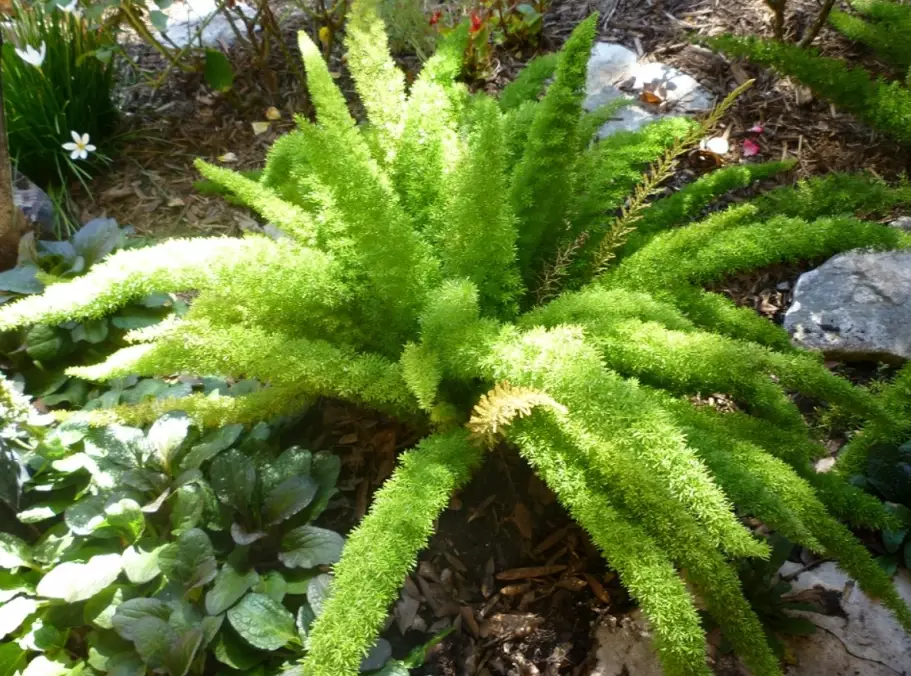
Frequently Asked Questions (FAQ)
 At the end of the day, foxtail ferns are forgiving if you listen to them. They won't thrive on neglect, but they don't need constant coddling either. Start with the basics—light, water, soil—and tweak as you go. Happy planting!


Comments